Debra Devi in Her Element: Where Every Stage Becomes a Blues Playground
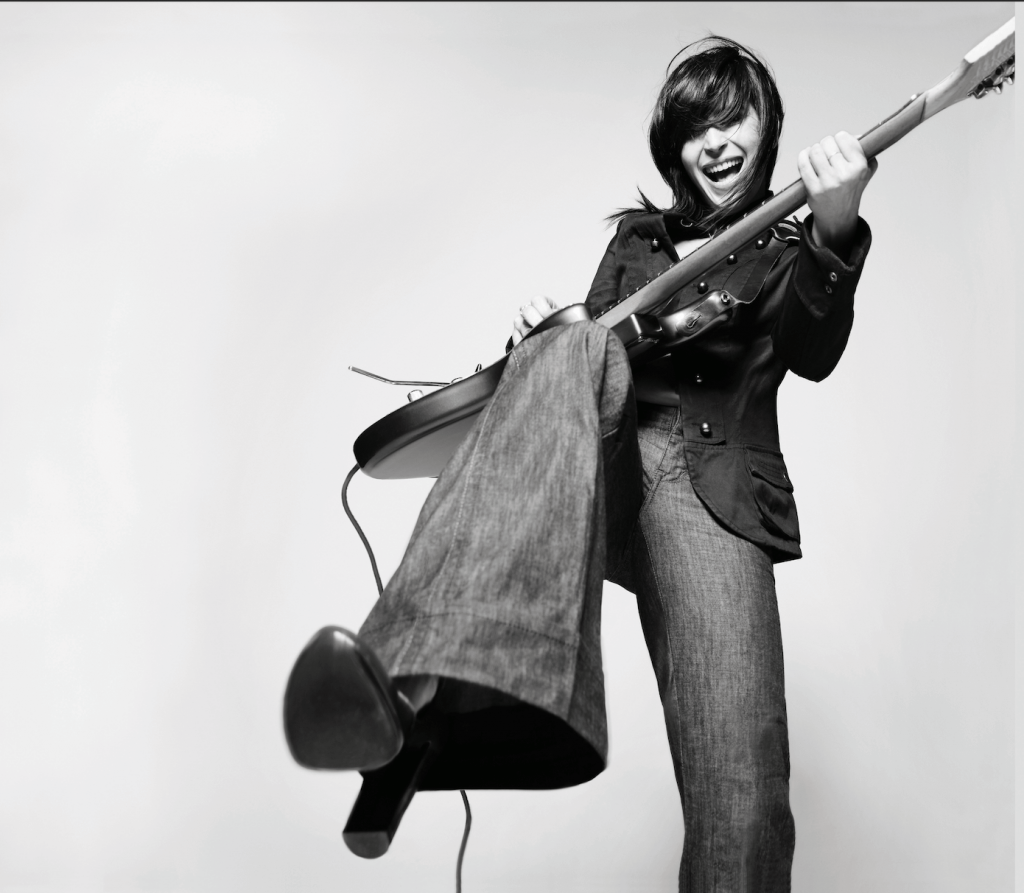
Debra Devi commands beautiful blues-rock originals and spellbinding classic covers, enriching them with stories, history, and insight drawn from her book, 'The Language of the Blues.'
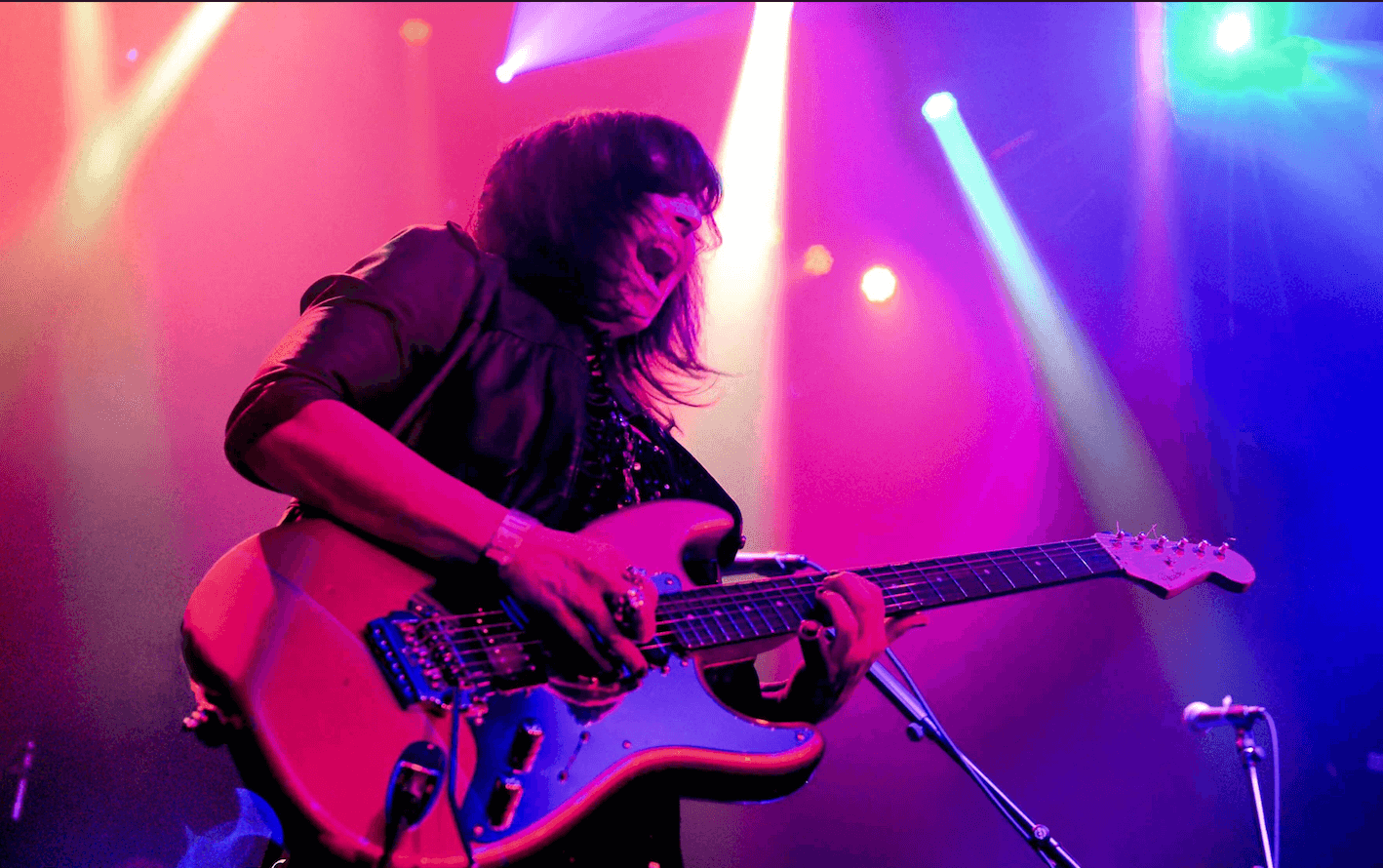
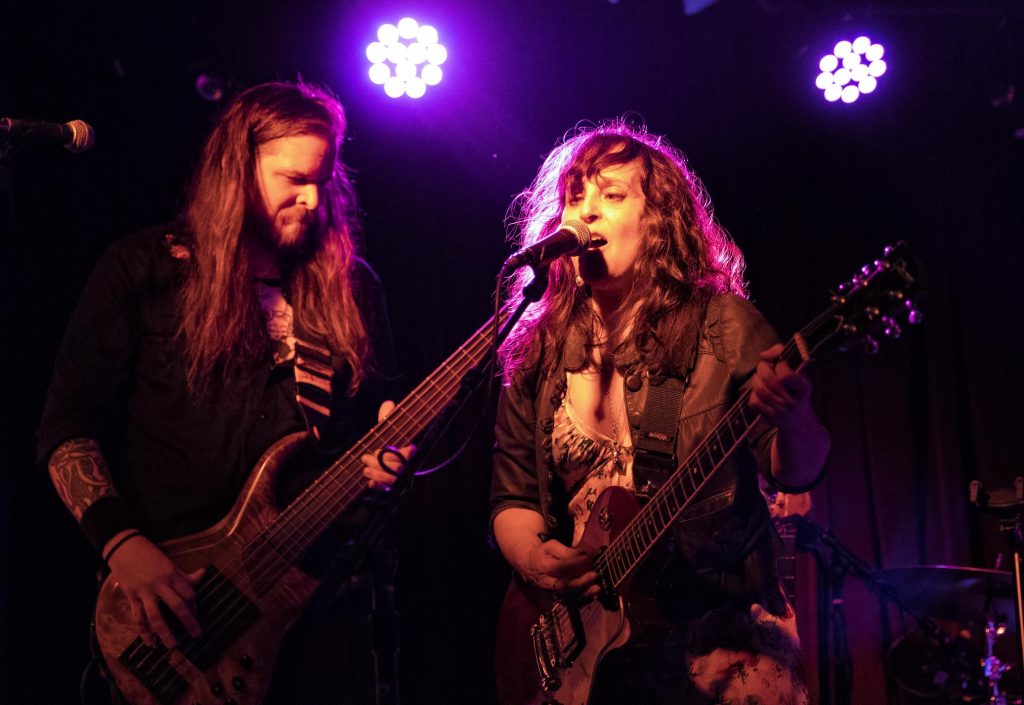
Under the glow of stage lights is where singer-songwriter/guitarist and author Debra Devi feels most at home. Guitar in hand, eyes locked on the moment and locked into grooves with her band, “the Dudes,” she can let a single note hang in the air like a secret between her and the crowd. She can kindle a mosh pit with a blues solo, turn a Fleetwood Mac classic into a slide-soaked spell, and carry the Delta in her voice on “10 Miles to Clarksdale.”
I had the chance to see her light up Dunedin this past spring on her Florida tour, fully in her element. For her, the stage isn’t a place to perform; it’s where she trulylives. Whether framed by Spanish moss or neon bar signs, she played with the same fearless spirit. Born in Florida, she returned for a run that played out like a homecoming, a playground, and a high-wire act all at once.
Photo credit: Guzman
What made you want to tour Florida in the first place, and what makes you want to return?
The Blues Bash at the Ranch Festival in Brooksville invited me to perform, so we booked a week-long tour around it. I came down with my drummer, Johnny Roccesano, and bassist, Kevin Jones. Luke Valcich from the Tallahassee jamband Strictly Liquid joined us on keys. We had such a great time that we’re planning a longer tour down South for spring 2026.
Also, I was born in Florida! I love Spanish moss, and the beach.
That long Dunedin set had so many standout moments. Fleetwood Mac’s “Gold Dust Woman” especially felt like lightning in a bottle. Do you remember feeling in it at any particular point during that show?
Since we’d played the Blues Bash that afternoon, I was warmed up and felt pretty locked in for that whole show. It was such a beautiful night, too, with the moon rising behind Johnny’s drums.
I love sprinkling in a few special covers and giving them a twist. “Gold Dust Woman” is a haunting masterpiece. It seems only natural to end it with an eerie slide guitar solo.
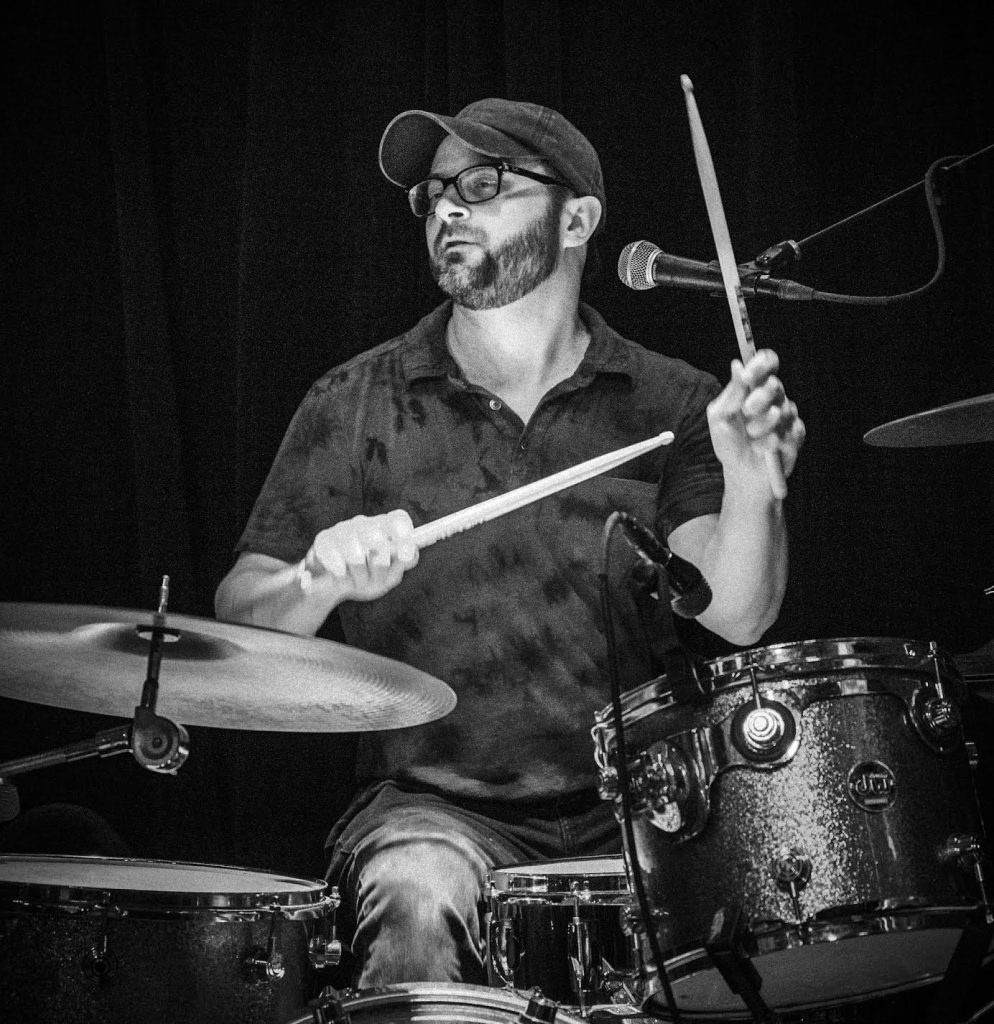
John Roccesano / Credit: Johan Vipper
Was there a song that seemed to hit differently with Florida audiences?
Probably “When It Comes Down,” the psychedelic blues/rock song I recorded with former Gov’t Mule bassist Jorgen Carlsson. When you’re playing with Jorgen, you’re going to go deep! We recorded a blistering live nine-minute version in the studio.
The Florida audiences loved dancing to that blues/rock jam. I think people are starved for spontaneous live music making, due to all the canned, autotuned crap out there. It’s exciting to see artists create music out of thin air in front of you on stage. I think that’s why the blues and blues/rock are surging with artists like Christone “Kingfish” Ingram, Tedeschi Trucks and Gary Clark Jr.
At a dive bar we played in Orlando, a bunch of punks were moshing to my guitar solo on “When It Comes Down,” yelling at me not to stop. As a former hardcore kid, I got a big kick out of that.
And then during “10 Miles to Clarksdale,” it really felt like you were channeling something deep. What’s your emotional connection with that song these days?
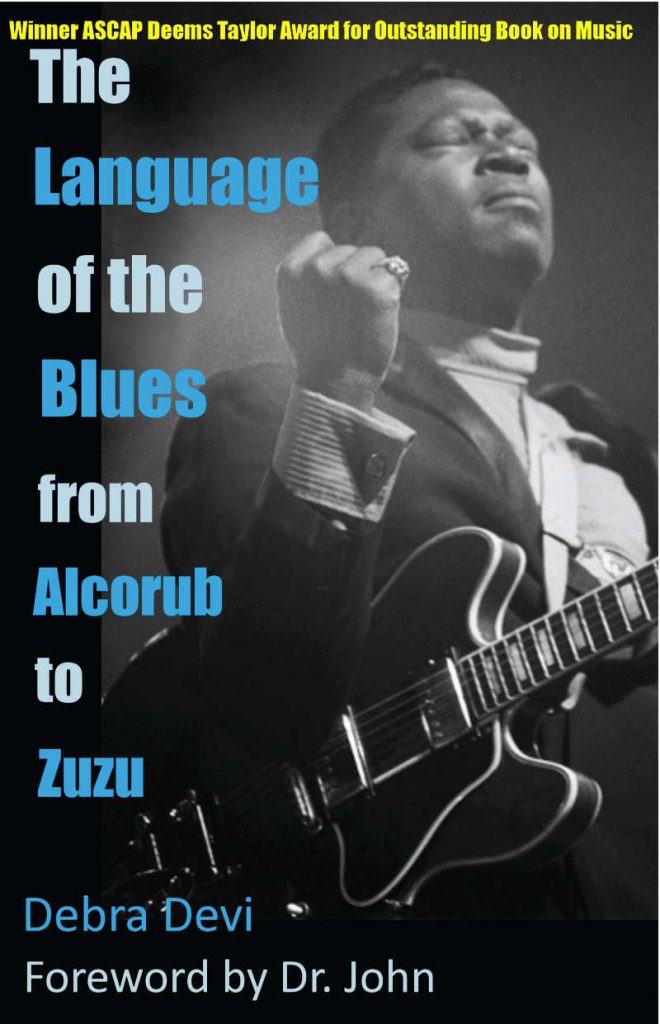
Singing “10 Miles to Clarksdale” takes me back to the stark, lonely beauty of the Delta, a place I fell in love with on my book tour for The Language of the Blues: From Alcorub to Zuzu. Blues historian Steve LaVere came to see me at Turnrow Books in Greenwood, MS. Steve had determined that Robert Johnson was buried at Little Zion Church, two miles north of Greenwood.
I visited Johnson’s humble resting place under a tall pecan tree that afternoon. The little graveyard is behind a small white-clapboard church surrounded by cotton fields. It was profoundly quiet and peaceful. I carry a pecan from the grounds in the mojo bag in my guitar case.
There’s beautiful footage of Little Zion Church in the “10 Miles to Clarksdale” music video. Clarksdale itself is bursting with the blues, from the Juke Joint Festival to the Delta Blues Museum, Ground Zero and the Cat Head Delta Blues & Folk Art store.If you love the blues, you have to visit The Mississippi Blues Trail. Mississippi is still the poorest state in our nation, but blues tourism is lifting it up.
I remember a moment on stage when you said you used to sing the guitar parts of songs; what do you think that early instinct taught you about phrasing or tone? Also, me too!
We were weird children! It taught me that the most memorable guitar riffs and solos are ones you can sing. Think of Freddie King’s intro on “Hideaway,” or Jimi Hendrix singing along with his guitar through his makeshift kazoo on “Crosstown Traffic.” Or any great Zeppelin riff. What always drew me to the electric guitar was its vocal quality; how it can sing.
Describe a detail in your performance style that someone might miss if they weren’t paying close attention.
Maybe my vibrato. Vibrato creates that “singing” effect on electric guitar and makes it so expressive. The best guitarists have a distinctive vibrato. Bonnie Raitt’s slow sexy vibrato with her glass slide. Hendrix pushed the limits for that nearly out-of-control feeling of wildness. Eric Clapton’s masterful bends on his version of “While My Guitar Gently Weeps.”
Jimmie Vaughan told me a funny story about how he developed his smooth subtle vibrato. Coming up, he was obsessed with B.B. King and learned his solos note for note, copying King’s distinctive butterfly vibrato. But one day, Jimmie thought, “What if I’m ever called on stage to jam with B.B. King? I’m gonna sound like an idiot!” He realized he had to develop his own sound. As we all should.
“Home Again” is the song I keep coming back to in your catalog. From the very first listen, it felt next-level — such a distinct melodic fingerprint. It’s the kind of song that feels like it should be playing everywhere. What’s the story behind it, and what does it mean to you today?
Playing “Home Again” always lifts my spirits. That’s from our live record Jamification Station Vol. 1, with Martin Schmid on keys, who is just brilliant. I was inspired by Warren Haynes’s iconic intro to “Soulshine” to come up with a melodic opening solo for “Home Again.”
The song is about a man I met one night and felt so instantly drawn to that everything else fell away. He was married, though, so I pulled myself out of the tractor beam and steered clear. It made me wonder why people stay when they’re not in love anymore. What it means to me now is that we’re searching for more than love; we’re searching for home.
What’s been on your mind creatively lately? Any sounds, themes, or questions you keep returning to?
Being a woman while right-wing nut jobs are on a tear to destroy our rights and stuff us back into the 1950s. My new song “I Wanna Fly” is about the chains that still keep women tethered, and casting them off.
My latest song, “Rocket Ride, is a wild “nobody will do you better than me” cock-rock song–from a woman’s perspective. Folks who’ve read The Language of the Blues know that the word “cock” switches up genders in the blues. So, I guess I’ve got politics and sex on my mind!
You’re clearly rooted in blues tradition, but your sound is fully your own. How do you walk that line between honoring tradition and pushing it forward?
I’m deeply inspired by the blues, but out of respect, as a white girl from the suburbs, I thought I should do my own thing. I do play some blues standards like “Thrill Is Gone” and “Mary Had a Little Lamb.” But my songs pull from classic rock, blues and jam. Still, if it weren’t for the blues, I would have never had the confidence to start playing. I wanted to play electric guitar as a teenager, but was told that wasn’t for girls. So I gave up. I figured I’d never catch up to the boys anyway.
But one night, a friend took me to see Koko Taylor, with Son Seals on guitar. Son Seals would play just one note–the right note–and flatten the room. I thought, “Maybe I could try to do that.” That was my first time hearing the blues. I was blown away. I got into the blues in a big way, and am ever grateful for all it taught me. That’s how I honor the blues tradition, while making my own joyful noise.
Can you walk me through your pre-show ritual, or lack thereof? Is there a certain amount of spontaneity that actually fuels the chemistry between you and the dudes?
I do a short vocal warm-up. Then I warm up on guitar with some Yngwie Malmsteen exercises, believe it or not. They get the job done. I always run Stevie Ray Vaughan’s tough little solo from “Mary Had a Little Lamb” a few times, too. I think the Dudes (as our fans call them) and I have chemistry because we genuinely like and respect each other.
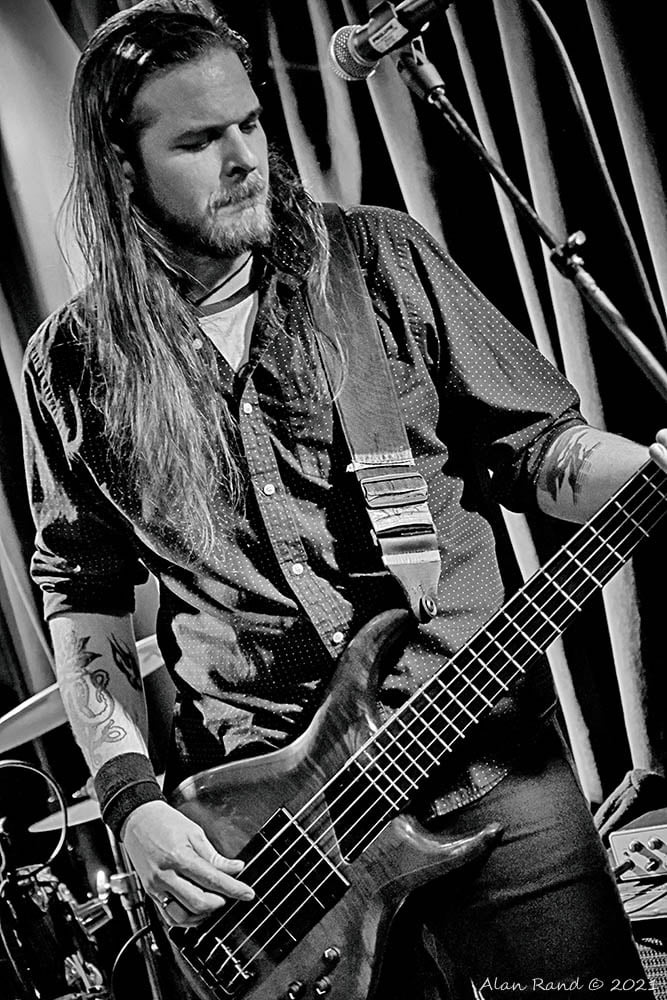
We have fun! They are better musicians than I am, and I know it. I want it that way. Always play with people who kick your ass musically. That’s how you grow. Playing with a band of that caliber lets me be spontaneous on stage. I can give subtle signals – just a glance or a tilt of my guitar – and they’ll roll with it. I’m very lucky to play with Kevin and Johnny, and our current keyboard player, Brian Rigby, who is really great. I want them to shine.
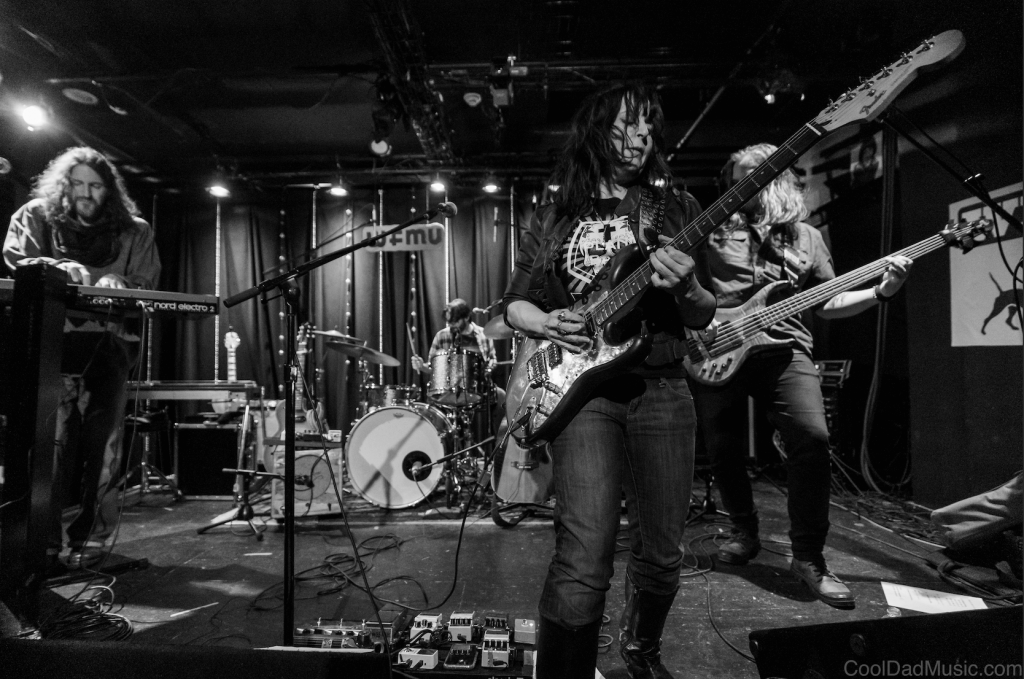
Debra Devi, Pete Vitalone (keys), John Roccesano (drums), Kevin Jones (bass) / Photo by CoolDadMusic
Jamification Station Vol. 1 captures the band at full throttle. It grew out of the bi-weekly livestreams American Blues Scene hosted from Johnny’s Hoboken studio during the pandemic. How did that livestreaming experience shape your sense of performance and connection?
Those bi-weekly livestreams from Johnny’s Hoboken studio kept us sane during the pandemic. It was weird, at first, performing to a phone on a tripod. But when we saw people connecting with each other in the chats and having a blast, that meant the world to us. We felt we were helping in some small way. Jamification Station Vol. 1 was culled straight from the livestream shows, which Johnny had masterfully recorded to ProTools.
I couldn’t believe this live record we recorded in one small room with no overdubs went to #5 on the Relix/Jambands Top 30 radio chart, and stayed on the chart for three months. I planned to follow it up quickly, but two brutal tragedies knocked me to the ground: my friend Jesse Malin’s spinal stroke, and losing my beloved nephew to colon disease. I was crushed by grief for a long time. I kept going, but that was about it.
You never get over losing a child, but I feel hungry to release new music now. We have recorded one of Jesse’s songs for a benefit compilation album, with special guest Andy Burton on keys–and are making a music video. I’ve launched a Patreon to mix two more live EPs we have in the can, and record new songs.
You’re also a brilliant writer. The Language of the Blues continues to teach people how deep this music really goes. Has writing about blues language shifted how you write lyrics or communicate on stage?
I learned that musical techniques and values encoded in the blues trace straight back to West African cultures. Everything was stripped from the West Africans who were kidnapped and brought here as slaves – their clothes, their languages, dances, drums, religions, songs. Yet, they held fast to the few things that couldn’t be stolen or prohibited – their ideas, their ethics and their voices. We hear them to this day, in the blues.
Since writing that book, I tell more stories about the blues onstage. I want to share what I learned, and encourage reverence for the profound influence of West African culture on American English, music and so much more. This is not taught in our schools, and it should be.
As for lyrics, writing about the blues reminded me of the musical value of repetition, call and response, simplicity, and multi-layered imagery. When you study Robert Johnson’s lyrics, you realize you might need to dig a little deeper.