


Not only words and music, but potent signs and symbols from Africa enrich American culture. The Ejagham people of southwestern Cameroon and southeastern Nigeria created an ideographic form of writing called nsibidi. These sacred signs designated the meeting places and plans of secret societies that governed the ethical and moral lives of Ejagham people.
These secret societies exercised real power. The members of the executioner society, for example, were men of the tribe who had been endowed by the king with the authority to hunt down and kill convicted murderers.
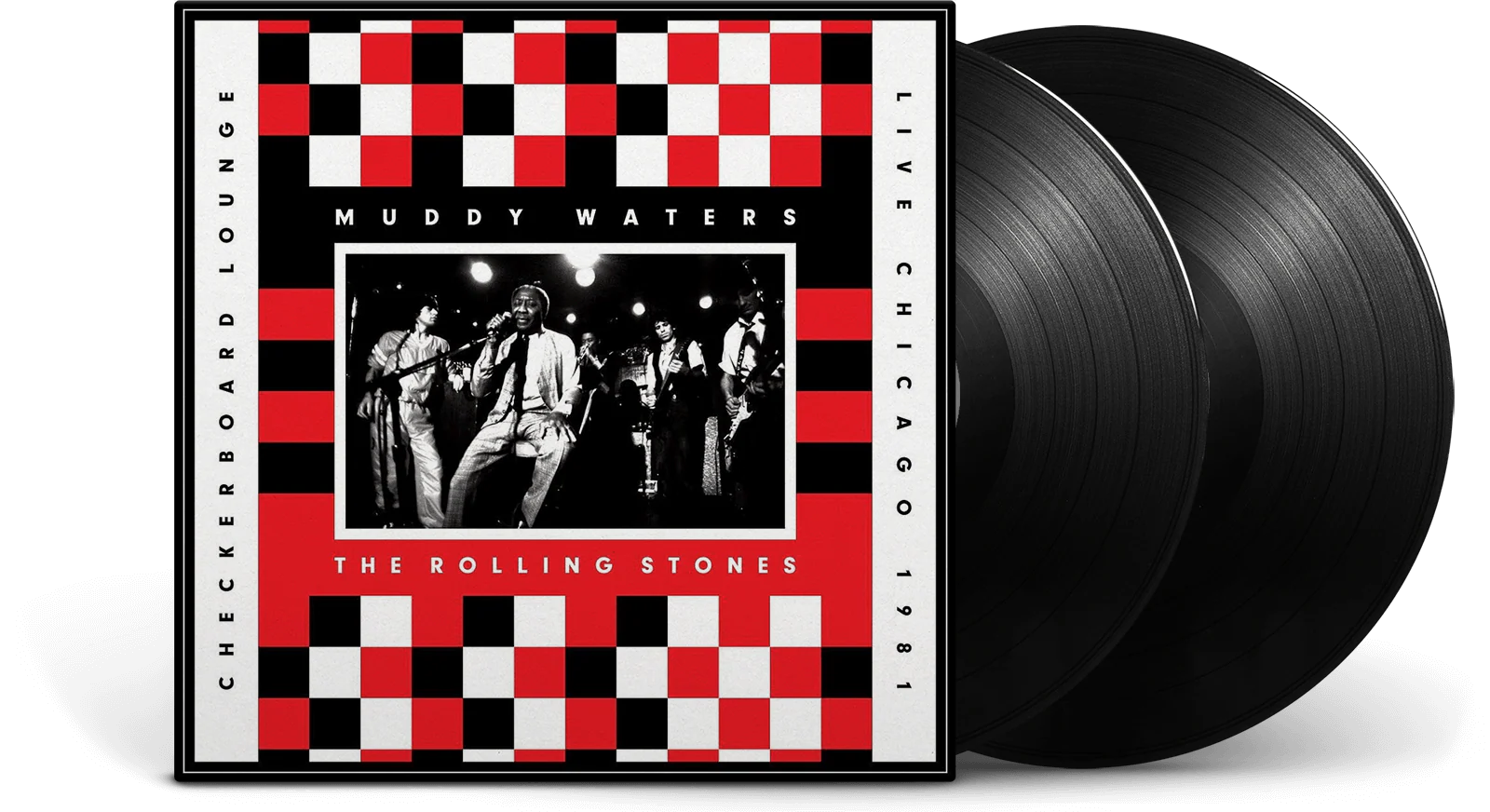
The checkerboard pattern was the symbol of the king’s leopard society, which was comprised of the king and his governing body. The checkerboard represented the spots of the king’s power animal, the leopard. Its grace, speed and fearsome strength made the leopard the perfect embodiment of royalty. The king was believed to have a leopard spirit that leapt into action when the king was in danger, carrying him away to safety.
Among African Americans, the checkerboard became the symbol for another masculine sanctuary–the corner bar. Like the fabled Checkerboard Lounge on the South Side of Chicago, opened by Buddy Guy and Junior Wells in 1972, many blues clubs and bars use the checkerboard name and symbol.
“What a great resource, as fascinating as it is informative. Debra’s passion for the blues shines through.” – Bonnie Raitt
“Debra’s book will teach you what you really need to know about blues history and where the blues are coming from.” – Joe Bonamassa
“Finally one can understand the mechanics behind the overwhelming viscera of the Blues. Debra Devi’s work is a true guide book to the soul.” – Al Jourgensen (Ministry)
“This book is fascinating! Take it to the bathroom and don’t come out until you’re done reading it.” – Jimmy Vivino
“This is a beautiful book. Upon receiving The Language of the Blues I discovered my knowledge only scratched the surface. Debra Devi has written an invaluable reference book. And it’s also great fun to read.” – Hal Willner
“Don’t think that The Language of the Blues might read like a dictionary or reference book. There’s no plot, but you can open it up at random and fall into the world of your favorite Blues songs, and find out more about the lyrics than you would be guessing from context. I learned a lot more about the Blues music I already loved.” – Bob Margolin
