


The cooling board is a wooden plank used for laying out a corpse so it could be prepared for burial. Back when funerals were community affairs and bodies were prepared for burial at home, the cooling board would be placed in the wagon sent to fetch a recently deceased member of the community. When the wagon returned with the body, it would be carried on the cooling board to the home where the wake was going to be held.
Because embalming and other preservation methods were not used, the funeral had to be completed in one day. The body would be dressed in the deceased’s finest clothing, and coins were placed over the eyes to prevent them from opening during visitation. Once prepared, the body upon the cooling board would be laid out on the porch for viewing while friends and family built the coffin in the yard and brought food over for the mourners.
This practice persisted down South, especially in African American communities–even after embalming techniques and professional undertakers were established in the early 1800s–due to poverty in the region.
In the 1930s, “Blind” Willie McTell sang:
Don’t a man feel bad, when his baby’s on the coolin’ board
Don’t a man feel bad, when the hearse pulls up to his door
As Breck Stapleton explained in his article, “Gibeon Sullivan’s Cooling Board”:
“The cooling board tells of a different time, when death was very visible, burial preparations very personal, and funerals important community events.” The home with the cooling board on its porch was where people would gather and grieve (and eat!). After the wake, mourners would look on as the body was removed from the cooling board and placed into its coffin before being transported to the cemetery for burial. If the death had occurred in winter and the ground was frozen, the body would be dressed, wrapped onto the cooling board and kept in a barn until the ground thawed enough for a grave to be dug.
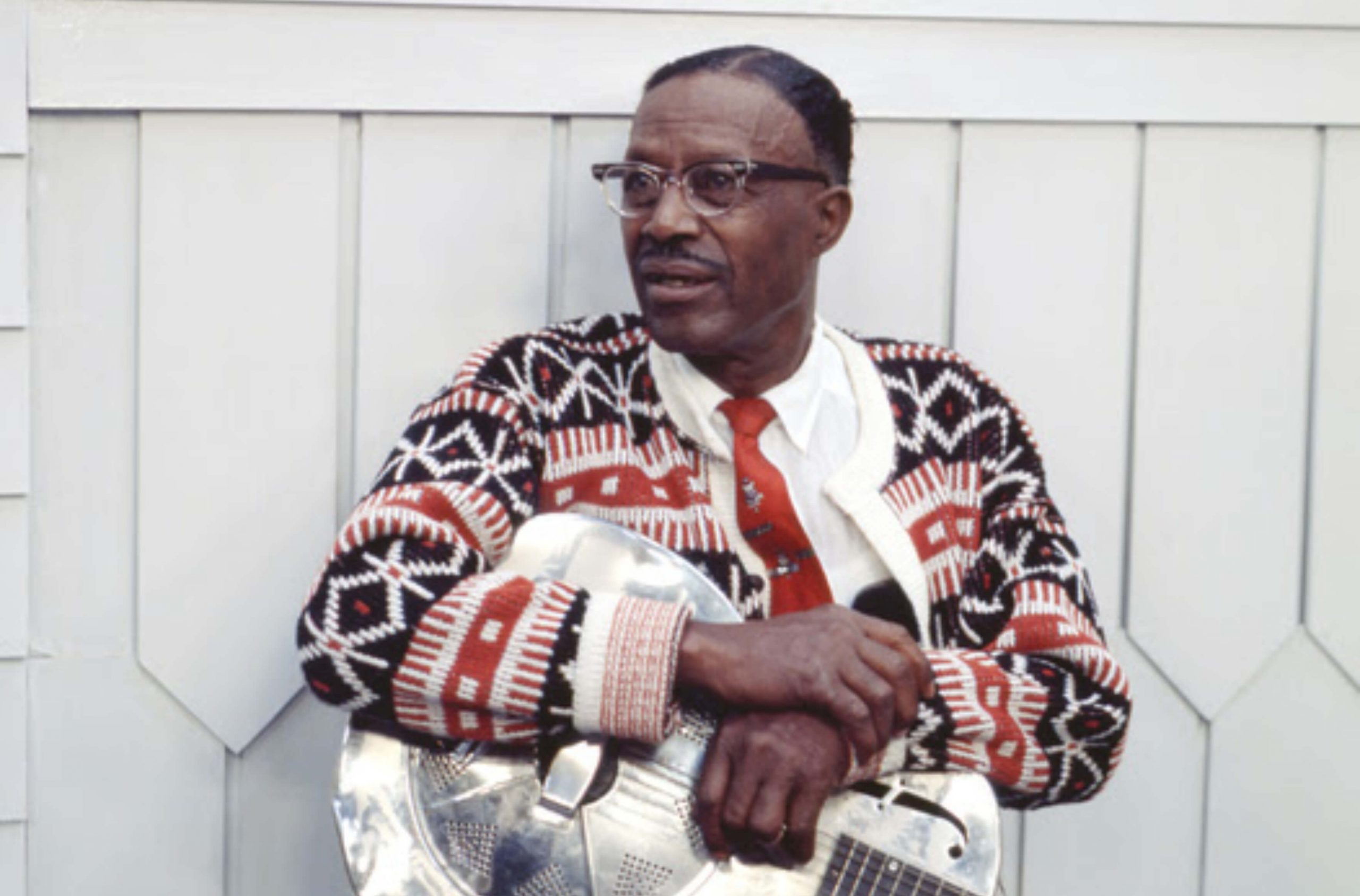
The great Son House mentions the cooling board in his unforgettable masterpiece “Death Letter Blues”:
“I grabbed up my suitcase and took off down the road/ When I got there she was laying on a cooling board.” He also captures the communal vibe of a Southern funeral with these lines: Looked like there was 10,000 people standing round the burying ground/ I didn’t know I loved her til they laid her down.”
“What a great resource, as fascinating as it is informative. Debra’s passion for the blues shines through.” – Bonnie Raitt
“Debra’s book will teach you what you really need to know about blues history and where the blues are coming from.” – Joe Bonamassa
“Finally one can understand the mechanics behind the overwhelming viscera of the Blues. Debra Devi’s work is a true guide book to the soul.” – Al Jourgensen (Ministry)
“This book is fascinating! Take it to the bathroom and don’t come out until you’re done reading it.” – Jimmy Vivino
“This is a beautiful book. Upon receiving The Language of the Blues I discovered my knowledge only scratched the surface. Debra Devi has written an invaluable reference book. And it’s also great fun to read.” – Hal Willner
“Don’t think that The Language of the Blues might read like a dictionary or reference book. There’s no plot, but you can open it up at random and fall into the world of your favorite blues songs, and find out more about the lyrics than you would be guessing from context. I learned a lot more about the blues music I already loved.” – Bob Margolin
