


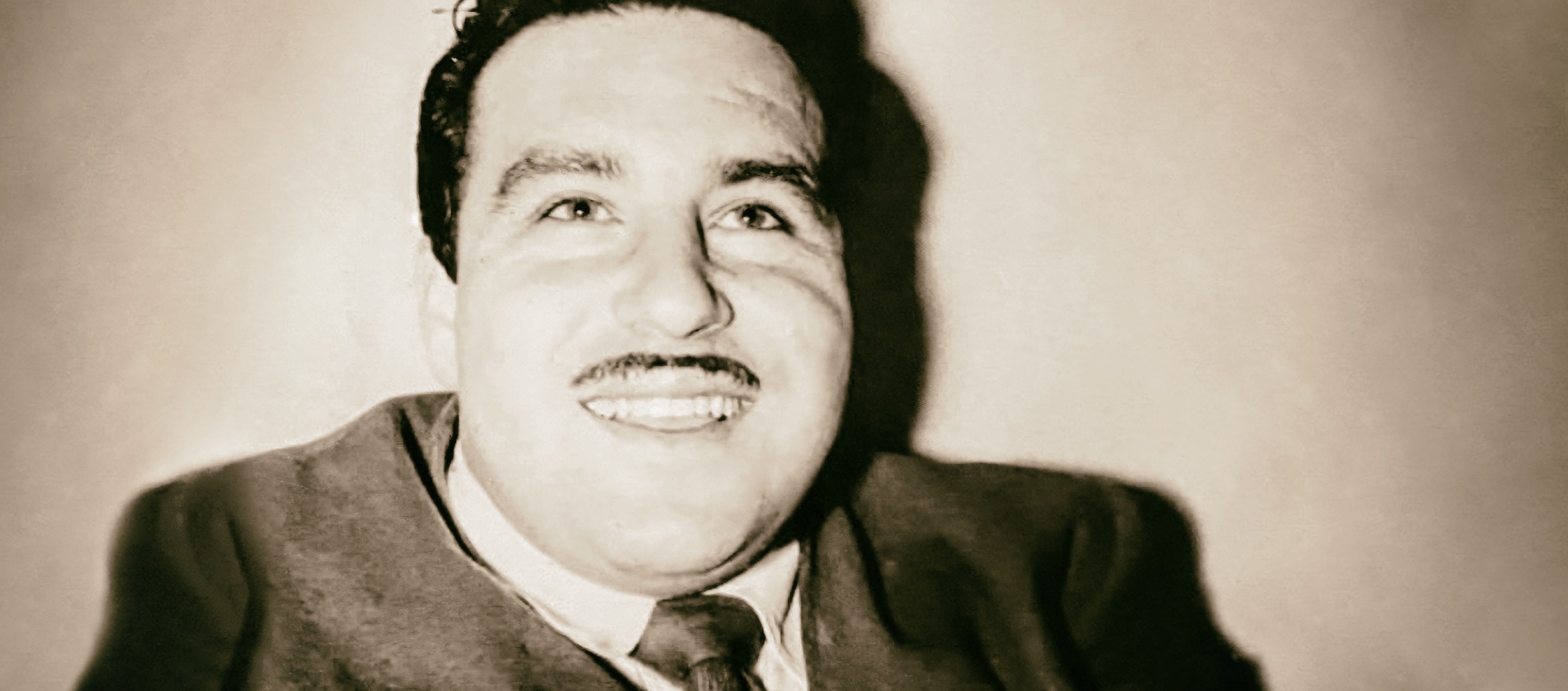
Omnivore Recordings has shared two more tracks from the upcoming box set You Can’t Hip A Square: The Doc Pomus Songwriting Demos—a rare glimpse into the early creative life of one of rock and roll’s most influential lyricists. The new releases include “This Magic Moment,” performed by Mort Shuman at a party at Pomus’ house in the early ’60s, and “King Lonely The Blue,” sung by Scott Fagan.
Known for penning hits like Elvis Presley’s “Viva Las Vegas,” Ray Charles’ “Lonely Avenue,” and The Drifters’ “This Magic Moment,” Pomus shaped the sound and soul of early rock and R&B. You Can’t Hip A Square features performances from Pomus himself, his longtime collaborator Mort Shuman, and a deep bench of artists who helped forge the genre—Ellie Greenwich, Peter Anders, Mickey Baker, Phil Spector, King Curtis, Titus Turner, Toni Wine, Bobby Andriani, and others whose names echo through rock history.
Jerome Solon Felder—better known as Doc Pomus—was born in Brooklyn on June 27, 1925. Stricken by childhood polio, he found salvation in the blues after picking up Big Joe Turner’s “Piney Brown Blues.” Performing under the name Doc Pomus (a nod to Doctor Clayton), he worked the Greenwich Village club scene before shifting to songwriting in the mid-’50s.
His first major hit came in 1956 with Ray Charles’ “Lonely Avenue.” What followed was one of the most enduring catalogs of the Brill Building era, written largely with Mort Shuman: “Save the Last Dance for Me,” “A Teenager in Love,” and several songs for Elvis Presley, including “Little Sister.”
You Can’t Hip a Square: The Doc Pomus Songwriting Demos collects 165 rare and unreleased demos—many unearthed by his daughter Sharyn Felder while archiving her father’s papers. She brought the project to Omnivore’s Cheryl Pawelski, who worked closely with her to shape the collection. The box set includes a hardbound book with track-by-track notes, plus essays by Felder, Peter Guralnick, Geoffrey Himes, and Eddie Gorodetsky.
“A project like this doesn’t come around often,” says Pawelski. “The songs that never saw the light of day—the what-ifs—are some of the most fascinating.” A biopic and a second box set, covering Pomus’ later work with Dr. John, Willy DeVille, B.B. King, and Lou Reed, are already in the works.
As Sharyn Felder puts it, “Doc often said he wrote over a thousand songs. I think he was underestimating. The hope is my dad’s songs will be rediscovered, that people will get turned on to some they never knew.” Doc himself describes his thoughts on songwriting in a recorded interview, which appears on Disc Six in the collection.
“There are always ideas deep inside me,” he says. “To me, it’s always a question of bringing them out. Sometimes a little event might be the catalyst, or a word might be the catalyst. I have an amazing ability to meet women and get very crazy, and that’ll stimulate me into writing a couple of songs.”
