


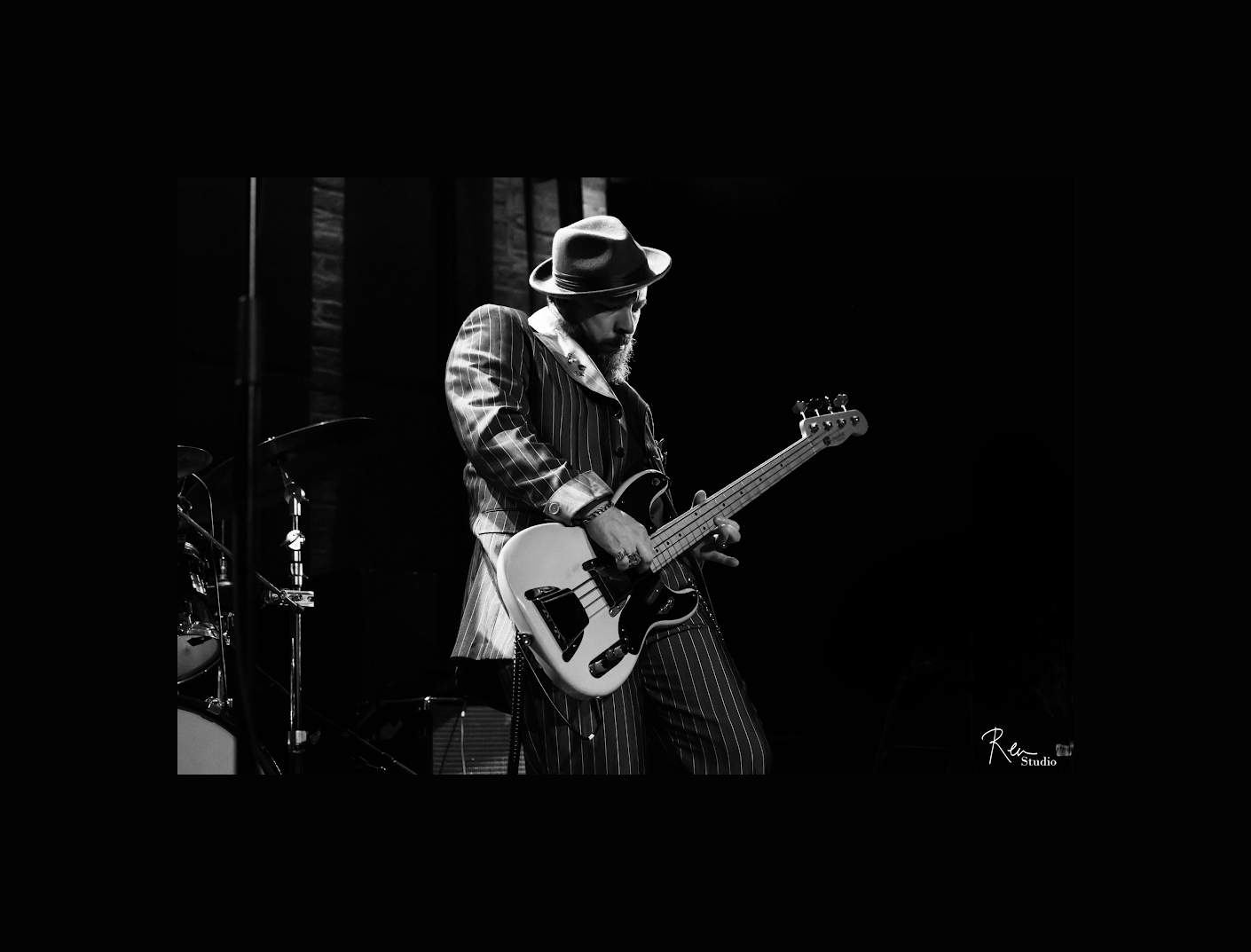
Rodrigo Mantovani is Brazilian-born blues bassist celebrated for his deep groove, rich upright tone, and soulful command of traditional American blues. Raised in São Paulo with a lifelong love of blues and roots music, he became one of Brazil’s most sought-after bassists before relocating to the U.S. to join The Nick Moss Band, contributing to multiple Blues Music Award-winning projects.
He’s also a recording artist, collaborator, and producer, nominated multiple times for Blues Blast Music Awards and featured on the cover of Blues Blast Magazine. His work blends authentic blues feel, making him a powerful presence on stages and recordings worldwide.
Here, Mantovani takes us inside his world—sharing the projects that keep him inspired, the role of the bass in blues, his approach to teaching and collaboration, and what drives him to keep the blues alive across the globe.
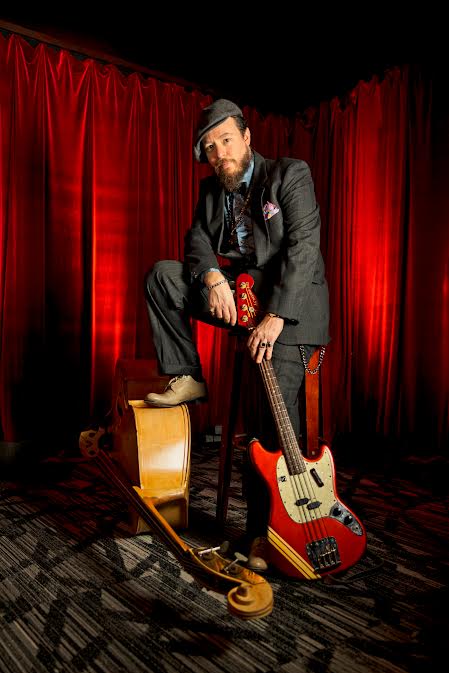
You’re currently playing with several artists on the traditional blues scene.
What projects or bands are you involved with right now, and what’s keeping you inspired?
I’m currently involved in a variety of bands and projects. In Chicago, I’ve been performing with artists such as Dave Specter, legendary bluesman Lurrie Bell, the soul company PureSoul Presents, Gerry Hundt and the Dig Three Trio, and several other local musicians, in addition to my work with The Nick Moss Band featuring Dennis Gruenling.
I’ve also been touring with Jontavious Willis, a great traditional blues artist from Georgia. Beyond performing, I’ve contributed to recordings with Alligator Records artist Chris O’Leary and Delmark artist Anthony Geraci. I also have a duo with the great blues artist from Denmark Big Creek Slim and we have Our third album coming up hopefully next year!
I’m also looking forward to touring for the second time with Mark Hummel’s blues Blowout, featuring a heavyweight cast of blues musicians, in February.
You’ve been nominated for Bass Player of the Year at the Blues Music Awards the last two years. What does the recognition mean to you?
I’ve been truly grateful and honored to have my name nominated over the past two years. I don’t believe in “better” or “worse.” I see it as a reflection of the hard work I’ve been putting in, touring and performing locally nonstop throughout the year.
To be honest, I consider an award to be a gathering of close friends and a chance to show respect to many of my idols, like Bob Stroger, Benny Turner, and other blues masters who have shaped the music I love. These incredible artists are still out there, working tirelessly to keep the music alive, and it’s inspiring to witness.
In blues music, the bass often stays in the background but carries a lot of weight. How do you see the role of the bass in a blues song?
I think that’s a big part of the beauty of the blues. There are so many variations depending on the era and the region where it was played. The fact that the bass sometimes stays in the background doesn’t mean it’s an easier role; in fact, it’s quite the opposite.
Being able to create a solid groove with the right tone, play lines that perfectly serve the song, and still stay “in the background” requires immense skill and knowledge. All the masters I admire were able to nail it flawlessly regardless of if they’re on upright bass, washtub bass, vocal bass, sousaphone, or electric bass.
You play both electric and upright bass. How do you decide which instrument best fits a song or an artist?
Well, it really has to match the style of the band in the first place. A super loud band that plays modern blues probably isn’t the best setting to show up with an upright bass (he laughs). So, I’d say it really depends on the band and, of course, the repertoire you’re about to play.
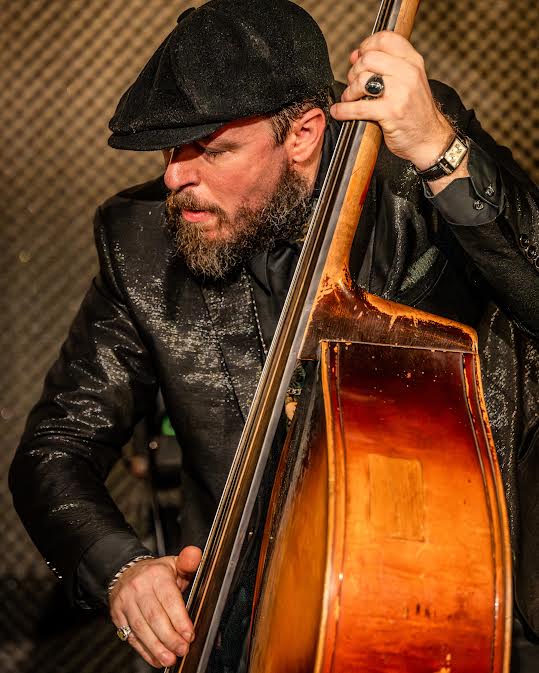
Teaching is also an important part of what you do. Can you talk about teaching upright bass at the Port Townsend Acoustic Blues Camp and whether you teach privately?
I’m also deeply honored to have been included in this amazing project multiple times. Port Townsend feels like a place out of a dream, where everyone is there to immerse themselves in traditional blues—playing and absorbing as much as possible throughout the day. And that’s not even mentioning the city’s natural beauty.
Being able to pass on knowledge and talk about some of the great names in blues upright bass, some of whom don’t even have pictures left, is truly special. I take this responsibility very seriously, because I’ve dedicated my life to learning and sharing their timeless craft they’ve left for us.
You’ve worked with many different artists over the years. What have those experiences taught you about supporting a song and being a great sideman?
I’ve learned to respect the differences in everyone’s taste in music. Each artist has their own way of listening and their own thoughts about it, so I believe the best way to do my job is to add my contribution to what they already believe—without trying to change their perspective.
Music is such a personal language, and what moves one person might not move another. My goal is to complement and enhance the vision of each artist, to support the story they want to tell, and to bring my own voice in a way that feels natural and respectful. In the end, collaboration is about listening as much as playing and learning from each other while creating something greater together.
Looking ahead, what projects or musical directions are you excited about next?
I’m looking forward to another busy year full of shows, new projects, and more opportunities to keep playing the blues all around the world!
