


An early form of the kazoo was a small hair comb wrapped in tissue paper through which the performer hummed or sang. Check out the Mound City Blue Blowers to hear some old-school comb playing! A harmonica’s mouthpiece is also called a comb, and this became a slang term for the harmonica itself.
In a harmonica, the comb piece holds the reed plates in place and directs air over them so they can vibrate and produce a tone. Metal combs last longer than wood, because the moisture in the air breathed over the comb can swell and warp a wooden comb, but the wood comb delivers a warmer sound. The wood comb Marine Band harmonica is the most popular blues harmonica.
Blues players use diatonic harmonicas, which play eight-note major or minor scale. Harmonicas come in different keys, so live a harmonica player usually keeps several on hand to switch between depending on what key the band is playing a song. For a great example of this, check out the live video below of Bonnie Raitt performing “Runaway,” with harmonica player Norton Buffalo whipping harmonicas out of his coat during his solo over the key-changing verse.
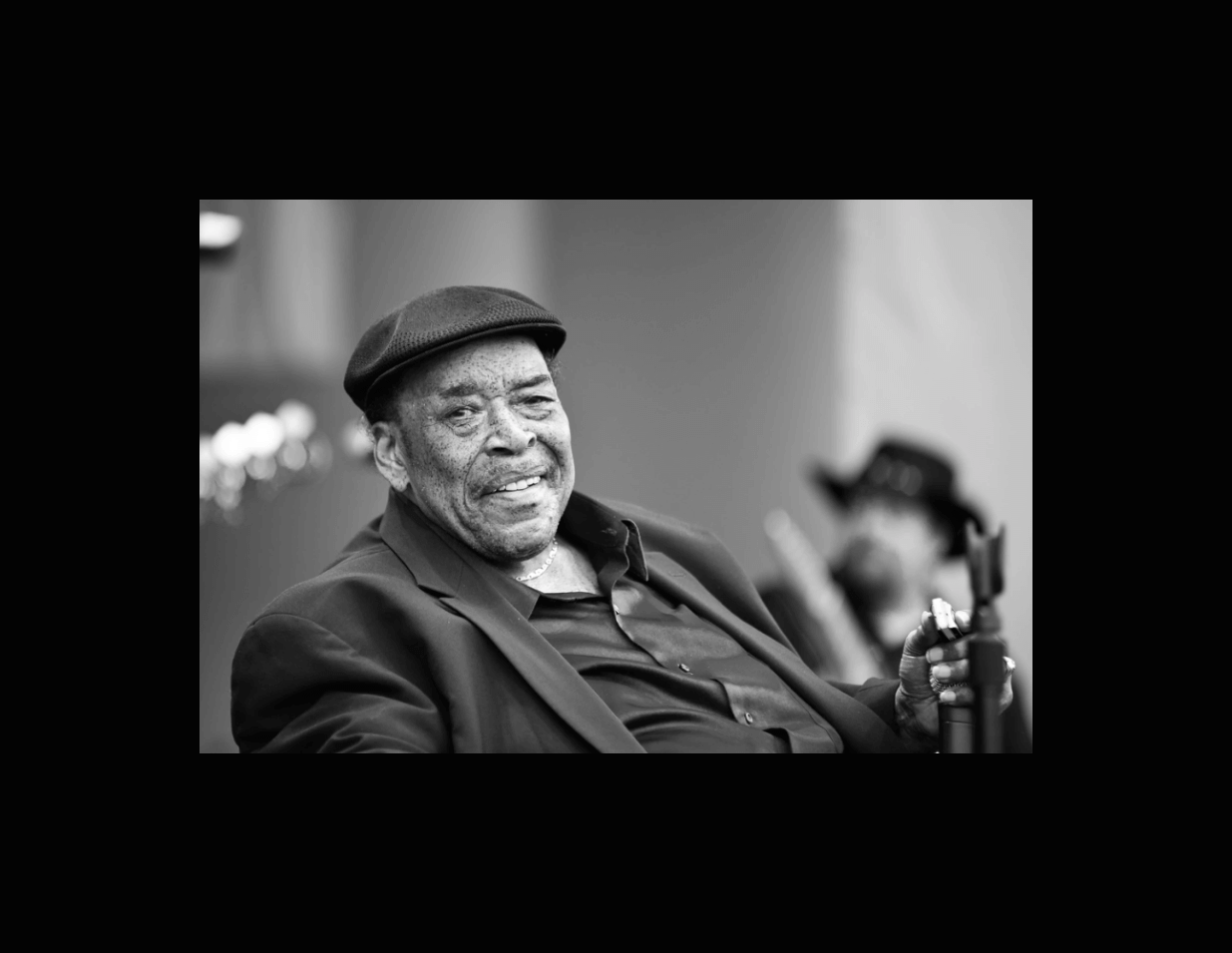
Like the guitar, the harmonica was popular among country blues players because it could be carted around easily. The great blues harmonica player James Cotton and guitarist Hubert Sumlin met in school in Mississippi. “He come in to the same school that I was going,” Sumlin recalled, “So after we left [school], we moved to Arkansas. We got a little band together, nobody but me and him. We wasn’t hitting on nothing, just running around those cotton rows and playing for the people.”
Eventually the pair got a band together with another guitar player and a drummer and convinced Howlin’ Wolf to give them a few minutes to perform at one of his shows. Wolf had met Sumlin a few years earlier when a ten-year-old Sumlin snuck out to a local juke to hear Wolf play. Teetering on some Coca Cola crates, the boy fell through the window and right onto the stage. The owner was going to toss him out on his ear, but Wolf prevailed upon him to let Sumlin sit on stage for the rest of the set. Wolf then marched Sumlin home to his mother after the show, and asked her to not be too hard on him.
“Wolf had thirty minutes on the hour and he give us fifteen minutes to play, until we got so good he said, ‘You alright, I’m getting my time back.’” Sumlin said.
Wolf had both Cotton and Sumlin employed with his band at various times. At age fifteen, Cotton was touring Mississippi juke joints with Wolf. In 1954 Cotton left Wolf to replace Junior Wells in Muddy Waters’ band. Cotton was Muddy’s harp player for twelve years, finally striking out on his own in 1966. Wolf brought Sumlin up to Chicago to become his guitarist, a post Sumlin held until Wolf’s death in 1976.
“Comb” also shows up in the blues as short for “honeycomb.”
In “Bumble Bee No. 2,” Memphis Minnie sang: “He makes my honey/ Even now makes my comb.”
“What a great resource, as fascinating as it is informative. Debra’s passion for the blues shines through.” – Bonnie Raitt
“Debra’s book will teach you what you really need to know about blues history and where the blues are coming from.” – Joe Bonamassa
“Finally one can understand the mechanics behind the overwhelming viscera of the Blues. Debra Devi’s work is a true guide book to the soul.” – Al Jourgensen (Ministry)
“This book is fascinating! Take it to the bathroom and don’t come out until you’re done reading it.” – Jimmy Vivino
“This is a beautiful book. Upon receiving The Language of the Blues I discovered my knowledge only scratched the surface. Debra Devi has written an invaluable reference book. And it’s also great fun to read.” – Hal Willner
“Don’t think that The Language of the Blues might read like a dictionary or reference book. There’s no plot, but you can open it up at random and fall into the world of your favorite blues songs, and find out more about the lyrics than you would be guessing from context. I learned a lot more about the blues music I already loved.” – Bob Margolin
