


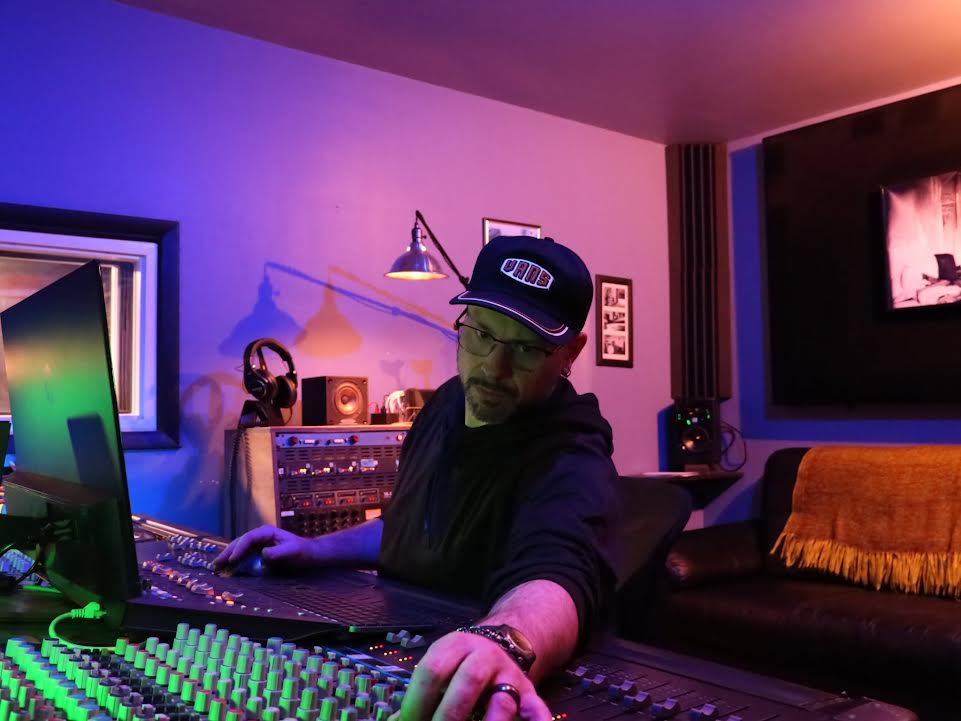
Mickey Cushing is the Studio Systems Manager and Senior Audio Engineer at Mystery Street Recording Company in Chicago. His journey into music began in sixth grade when he bought his first guitar with the money he earned washing cars during the summer. He later switched to bass, which became his primary instrument.
In 2001, Mickey experienced his first studio recording, and it quickly became his lifelong passion. His passion led to a degree from Columbia College Chicago’s renowned Audio Arts & Acoustics program, and a certificate in Video Game Sound Design from Berklee College of Music. While recording remains at the heart of his career, Mickey’s work extends far beyond the studio. He teaches musicians how to get the most from their digital mixing consoles and dial in their in-ear monitor systems, offers private instruction through Mystery Street, engineers and records live sound throughout the Chicago area, and lends his songwriting, production, and bass playing expertise to artists and projects upon request.
To date, Mickey has written and produced dozens of professionally released Albums and EPs across a wide range of genres. He has also recorded and mixed hundreds of projects for Chicago’s vibrant local music community. For more than 20 years, Mickey has combined his extensive technical knowledge, creative problem-solving, and hands-on experience to help artists realize their creative vision while contributing to the continued growth of Chicago’s music scene.
What first inspired you to pursue audio engineering?
While still a struggling musician in High School, I had originally dreamed of owning my own small record label. I read biographies on people like Sam Phillips, the Chess Brothers, and Berry Gordy. I found the more I read about the whole process, I began taking an interest in what it takes to make a record. I started learning everything I could about mixing consoles, microphones, and how to make voices and instruments sound the best that they can.
By my senior year in the early aughts, I was the first student audio engineer for all of my school’s live performances and started interning for the marching band conductor and home studio enthusiast, Roger Pampel. It was an itch that would not go away, and to this day continues to need scratching almost 30 years on.
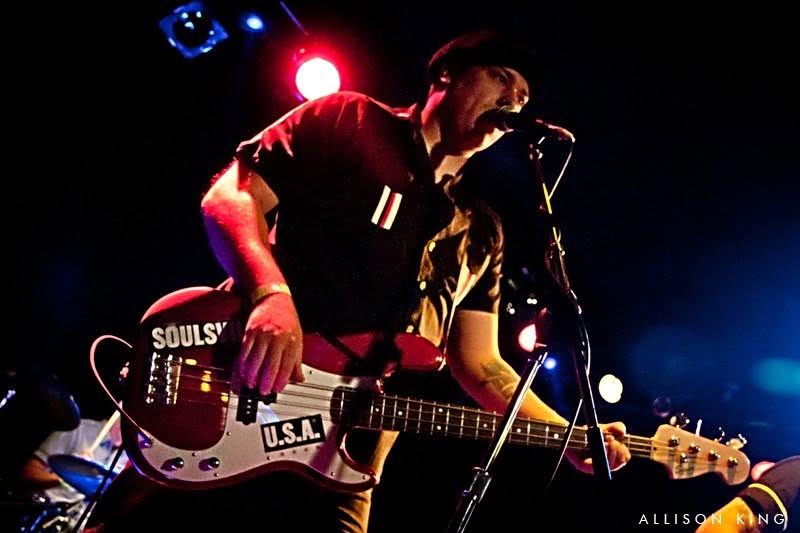
What ultimately led you to Mystery Street Recording in Chicago?
The President of MSRC, Joe Tessone, and I started the studio 19 years ago. We met while both studying at Columbia College Chicago (where Joe also now teaches). Unfortunately, as it does, life got in the way. I moved to various parts of the Midwest in order to care for my family. The funny thing is, all of these roads led back to Mystery Street Recording Co. This is my third time working here, and I have no plan to go anywhere else! When somewhere feels like home, it takes away much of the stress and anxiety around planning my sessions.
The MSRC “Studio A” drum sound is something that I have always missed when I was away. I know it sounds like a corny HR Department phrase but the culture here is the best. Nobody here is above, or below any service; no egos, and a supportive and close-knit community of like-minded musicians and engineers. It makes coming to work a pleasure – shy of Cubs game traffic, of course!
You engineered my new song, “We Love Da Bears,” which was written as a stadium
anthem for Chicago Bears fans. From an engineering standpoint, what were the
biggest challenges—and the most enjoyable parts—of creating that big, energetic
sound?
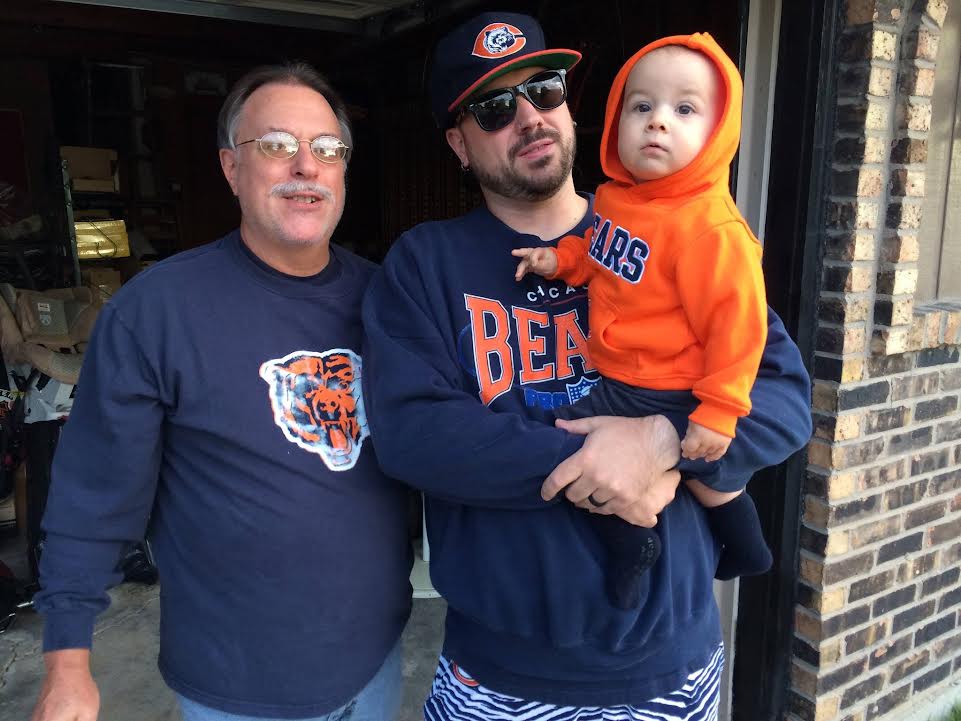
The whole process was enjoyable, start to finish. As a life-long Bears fan it was more than just recording, mixing, and performing. My great-grandfather Frank Bronson was our family’s season ticket holder, holding tickets since the Monsters of the Midway were still playing at Wrigley Field. When he passed away, my own grandfather Ron took over. I grew up knowing what a hyped crowd at Soldier Field feels like. My aim was to capture the joy and community you feel leaving the stadium after a big win. The hard part was making sure that feeling came across as honest.
Having spent time working on “We Love Da Bears,” what do you hope listeners
notice most about the production when they hear the finished recording?
I hope that listeners connect with the song, which was created by real human beings playing music, in a real space, with real instruments. You can hear the love for the team in the chant vocals, and the whole vibe of the song reminds me so much of the hope and excitement you feel at the end of August each year.
How do you approach each recording session to help bring out an artist’s best
performance while still staying true to their vision?
When working with a new client, it always behooves you to know them. Having conversations about their project, learning their influences, listening, and internalizing their references; all are important to bring a vision to life. Every record is different. Does the singer need a cheerleader or a football coach? Do they react better to specificity, or do they perform even better with encouragement, and compliment? 20 years ago, I would have answered this very differently, but parenting and production can often have a lot in common!
As a client, I need to know if you want a snapshot of a moment in time, or if you are trying to create your moment. If you are not sure, my ethos has been to capture every detail, to “fill the cup.” As a mix engineer my objective is to direct a listener’s focus. This sometimes means taking sips, or gulps from the cup to get to the ice cubes, or perhaps simply put a drink umbrella at the rim. I believe that a project should be about the artist, not the artist wanting to sound like a “insert engineer here” record.
Recording technology has changed dramatically over the years. In your opinion,
what separates a great recording from simply a technically good one?
Oh, that is a loaded question! Let me break this into a few statements. The fidelity of modern recordings certainly can make simpler “errors” in playing more prominent, while the lower dynamic range of older tech and higher noise floors could “hide” these things.
On the flip-side, in the modern world, you can fix many of these errors using the many new digital tools that we have at our disposal. Vocal tuning is a great example of this. Not to mention, back when we used tape, if you wanted to try a new take, that often meant losing the last one. Now with unlimited tracks, you can beat a horse within an inch of its life, only to find that the 3rd take you had marked as “keeper” was still the best one. A well-recorded track is always easier to mix later on. A great musician, in a great room with great gear makes life a lot easier. Technical things aside, a great recording makes movement. To paraphrase my friend Marek Stycos (of Dangerous Music and Chameleon Labs) music should “move you” or “make you want to move.”
As mix engineers we are making sure whichever that is, happens! Sometimes this means that technically bad recordings can be perfect. I think a great example of this would be “Atlantic City” by Springsteen. Specifically, the version recorded for the Nebraska album. It is rather band-limited, was recorded on a Tascam 4 track cassette unit, has plosives on the vocal track, has noise, and sometimes sounds like there are 3 musicians in 3 different worlds performing together. To me, it is the only real version of this song in existence. Its honesty makes it good. No bit of tech can replace that. Mike Batlan could have charged Bruce and the label to re-record, but how would it have served the song?
I don’t think I answered your question, but if I went any deeper, we’d need another server to host that conversation!
Is there anything else you would like to say? Future goals?
My sights right now are on the 20th Anniversary of MSRC on Lincoln Avenue in 2027 and ushering in another 20 years of working with some of Chicago’s most talented musicians. Meet People. Build Community. Make Music!
