


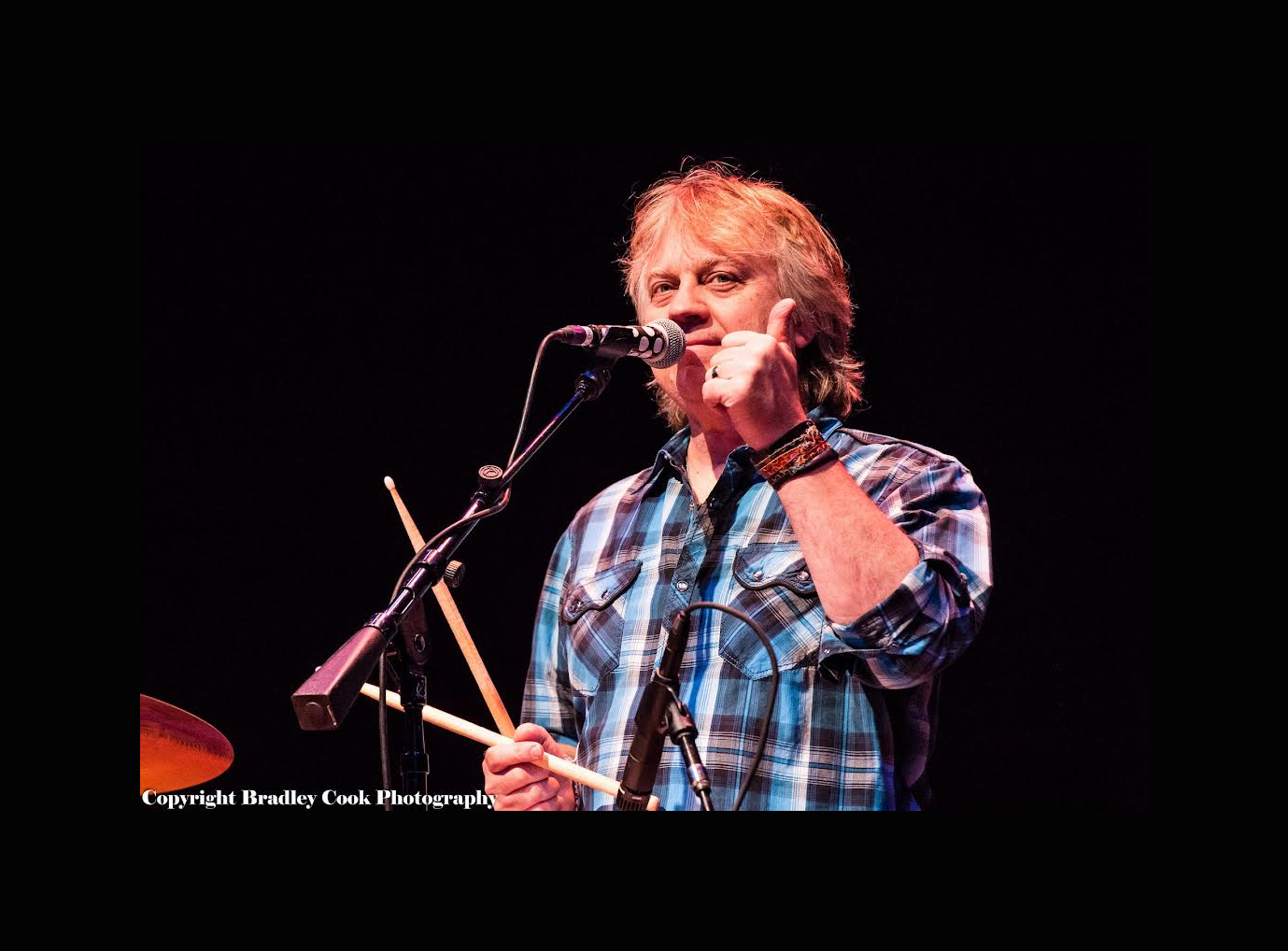
Tom Hambridge is one of the rare modern blues figures whose influence is felt as strongly behind the scenes as it is on stage. A powerhouse producer, songwriter, drummer, and vocalist, Hambridge has helped shape some of the most vital blues recordings of the past two decades, earning five Grammy Awards for his work—including his most recent win for Traditional Blues Album of the Year for Buddy Guy’s Ain’t Done With The Blues. His productions balance grit and immediacy with deep musicality, bridging classic blues tradition and contemporary relevance.
Beyond the studio, Hambridge is a relentlessly prolific songwriter, with hundreds of songs recorded across blues, rock, and country, many of them charting and becoming staples in artists’ catalogues. He attended Berklee College of Music, where he studied songwriting and lyric writing with legendary educator Pat Pattison, a foundation that continues to inform his direct, emotionally grounded writing style. A respected band leader and solo artist in his own right, Hambridge remains a vital creative force—equal parts craftsman, collaborator, and torchbearer for the blues.
At this stage of your career, what’s creatively exciting you right now—something you feel especially connected to or curious about?
I love discovering new music and bands or artists that I might have missed. Somebody is always turning me on to some cool new sound or some retro group doing something in a fresh way. I find that exciting.
When you’re writing, do you feel like you’re tuning into something instinctive or external—the muse, emotion, momentum—or do you rely on a deliberate, repeatable process? And has that balance changed over time?
It’s always different. I can hear a phrase and it might trigger an emotion or memory that takes me to a time or a place. I try to figure out a way to translate that into music and lyrics.
You studied at Berklee during a formative period for songwriting education. What did you take away from Pat Pattison specifically, and how much of that learning still shows up in your writing today—consciously or unconsciously?
Pat Pattison’s class provided me with technique and tools that helped open me up lyrically. But more than that his encouragement was priceless.
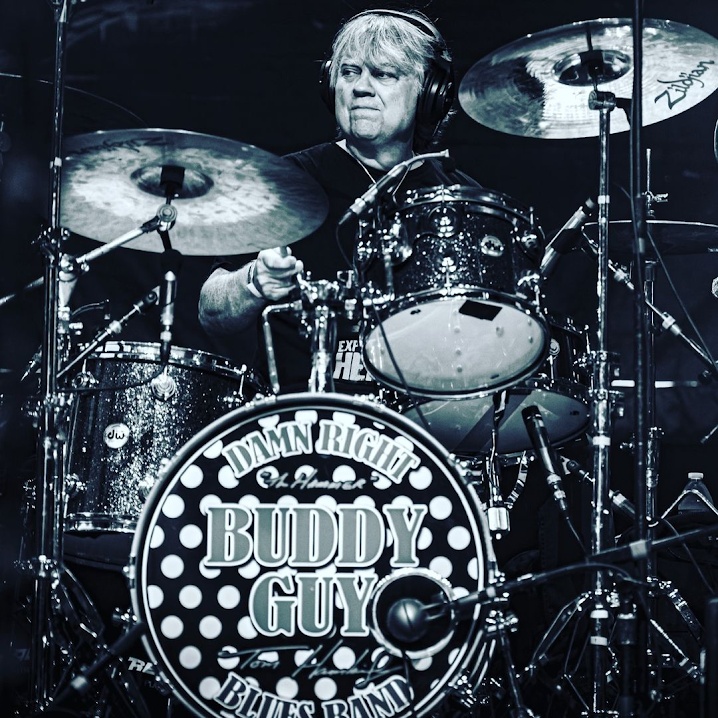
You’re a drummer by trade, yet you’ve become such a strong songwriter and producer. Why do you think drummers so often develop a broader musical perspective?
I love writing and producing and as the drummer on the sessions I love being out on the floor motoring the band. Tempo, groove, arrangement, feel, dynamics, and transitions. It’s my job to make sure it all works.
When you first hear a rough song idea, what do you listen for before anything else—lyrics, melody, groove, or something harder to define?
I listen to the lyrics and the melody first. It’s got to move me, hook me, make me feel something.
When you’re working with an artist, how do you help them reveal something emotionally true and sing/play from the heart?
I encourage them to tap into memories and feelings and share those emotions through their instrument and their voice.
What do you think aspiring songwriters misunderstand most about getting their songs recorded by major artists?
Many aspiring songwriters try to write a song for an artist that may sound like what the artist sounded like on a previous record. They won’t want to record a song like that. The music industry is constantly changing, and so is the music.
What keeps you writing?
I love the whole process. It’s like magic. All you got is a silent blank page but if you work hard and put the time and energy into it you might come up with a song that changes the world.
