


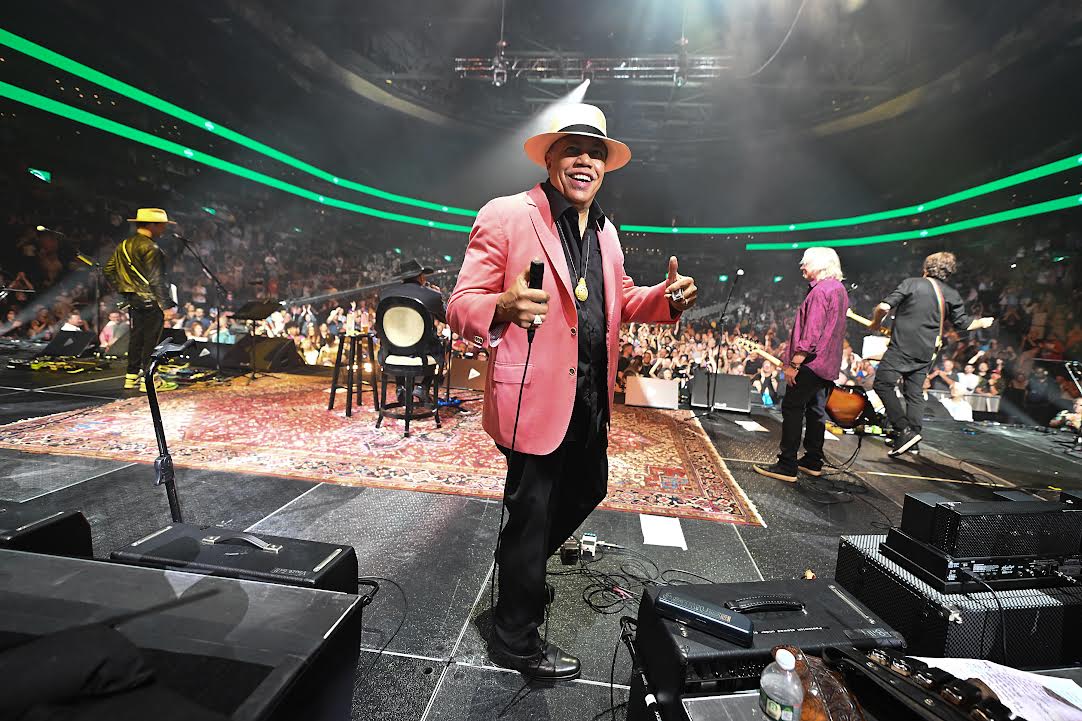
Billy Branch is one of the most respected figures in contemporary Chicago blues and one of the remaining artists directly mentored by legendary bluesmen including Willie Dixon, Junior Wells, and James Cotton. A Blues Hall of Fame inductee, three-time Grammy nominee, Emmy Award winner, and longtime blues educator, Branch began touring with the Willie Dixon All Stars in the late 1970s. He’s appeared on more than 300 recordings, performed around the world, and spent nearly five decades introducing younger generations to the music through his Blues in Schools program.
Branch remains equally focused on where the blues is headed. His latest album, The Blues Is My Biography, combines his Chicago blues roots with horns, background vocals, social commentary, and influences that extend beyond traditional blues. In our conversation, Branch discusses the new album, an emerging generation of young blues artists, and why Chicago must do more to recognize and preserve the music that helped shape its cultural identity, including the need for a major blues museum worthy of the city’s legacy.
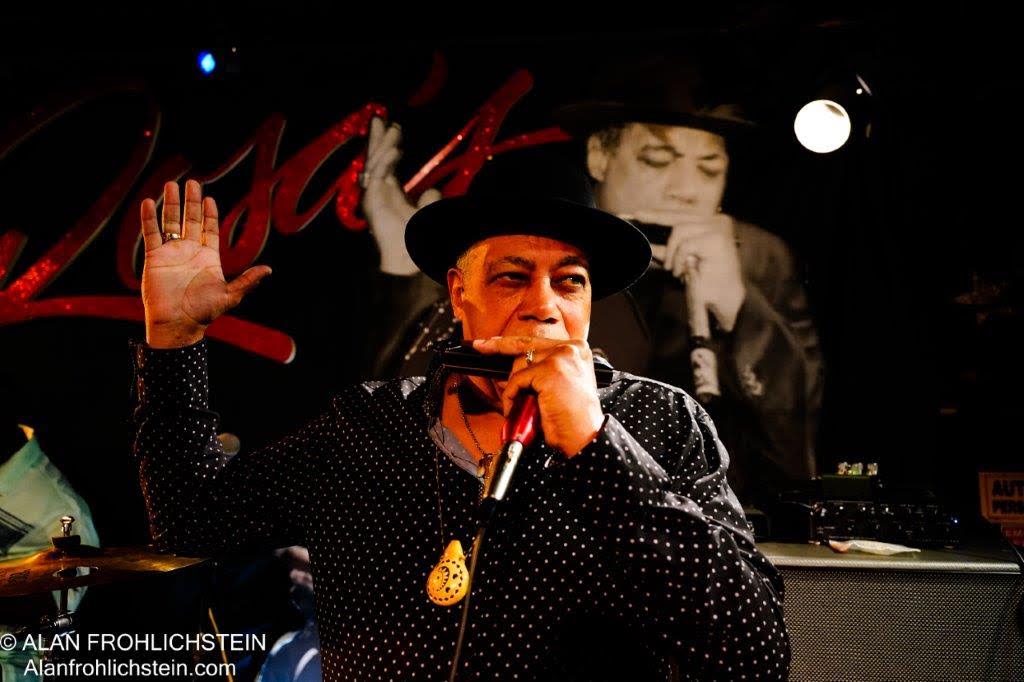
On 93WXRT recently, you said that Chicago still hasn’t fully embraced the blues. What specifically do you believe the city has failed to do?
In recent interviews, Buddy Guy has been saying the exact same thing. Buddy and I have both referenced in interviews when you go to Memphis, the first thing you see when you get off the plane at the airport are the iconic images and memorabilia celebrating musical heroes like B.B. King, Elvis Presley, Stax Records, and so forth.
The fact is, Chicago became the home of the music that greatly contributed to the British rock invasion and is the foundation of all America’s music. It needs to really be celebrated and heralded. It needs to be out front. People come from all over the planet to hear the blues in Chicago. Chicago became the blues capital because of Chess Records, Vee-Jay, and various other record labels. That aspect of the blues has never really been promoted, even though it has been incredibly influential and appealing to people around the world.
Why isn’t there one main Chicago blues museum?
I just think that it’s an oversight. It has been taken for granted. I don’t believe that there was a deliberate institutional pushback against the blues, but it’s just something that we took for granted. We have Buddy Guy and back in the day we had so many great blues artists and a larger number of blues venues which permeated the south and west side African American neighborhoods. I think it was kind of just the blues; it was taken for granted.
Somehow the big picture was missed. Historically, the Chicago Blues Festival, out of all the blues festivals, has had the greatest attendance. I think one year Jazz Fest may have surpassed it. Again, it has just been an oversight. You would not have The Rolling Stones, The Beatles, Hendrix, or anybody else without the blues. And not to mention the fact that it was also the precursor to jazz and many other American genres.
There have been multiple attempts over the years to establish a major Chicago blues museum, yet none have succeeded. Is the obstacle money or how Chicago views and values its own blues heritage?
I was included in one of those initiatives. They were going to bring me in with my educational background, my Blues in Schools involvement. They were going to bring me in as the director of education. When they had 40 or 50 million dollars, they didn’t have the location. By the time they found a location some of the sponsorship and venture capitalists withdrew. It was like it almost happened. I’m optimistic right now. I feel like the winds are changing. We have the Mojo Museum, which was Muddy Waters’ old home. It’s on a small scale but it is a step in the right direction. They had a grand opening over the summer and I played a few songs.
Right now, there is a blues renaissance happening. There’s a steady stream of highly skilled young folks entering the fold. Especially young African Americans including D.K. Harrell and Mathias Lattin. These cats are really coming on. Harrell “Young Rell” Davenport, who I had a hand in mentoring, is making a lot of noise right now. He is only 19 and is a blues phenom. His historical knowledge is greater than me and all my peers combined. He is like a whizz kid on harmonica and guitar. Every time I see him, he gets better. I told him, “Man, do you know how long I have been waiting for you cats to show up!” I have been doing Blues in Schools for almost 50 years since 1978. I’ve had former students who have gone on to have successful musical careers.
Also, look at the movie Sinners, which is blues-based and features Buddy Guy. Look at the Oscars last year. They had a blues-televised program with Buddy Guy, Kingfish, and Bobby Rush. I am feeling that the blues is slowly, finally, starting to get the attention that it deserves.
What needs to happen to finally make the museum a reality?
I think Chicago needs to be more proactive and officially participate in initiatives and promoting. There should be billboards just like in Memphis. When you get off the airplane, you should be hearing blues music through the corridors. You should be seeing a blues band. They used to do it down at Midway Airport. They may have done it at O’Hare on a limited scale. It should be a regular thing when you get off the plane. When you land in Chicago, you should hear a blues band. The city is more than capable of facilitating this.
Can you talk about your latest album, The Blues Is My Biography?
We feel this is my finest work for several reasons. We put a lot of thought, hard work, and a lot of money into creating this. It is very different. You may call it eclectic to a degree. I wrote and/or co-wrote the 11 songs. It is very horn-based and background-vocals-based. It is not what you would call a traditional blues CD, but it is certainly bluesy. Every song has elements of blues in it.
There are four social commentary songs, the title track being one, “The Blues Is My Biography.” “How You Living” is a hip hop blues. I co-wrote “Begging for Change” with Ronnie Baker Brooks who is featured on guitar. Shemekia Copeland is featured on vocals. You have “Hole in Your Soul” with Bobby Rush. We have “Ballad of the Million Men” which is a reggae tune and is also a social commentary song.
I am playing things on the record that I have never played before. For the solos, I want to go back and woodshed my own solos because there were many magical moments. Every note was in the right place. When I look back, I wonder what I was thinking because I wonder where the solos came from. If you are in the zone and inspirational zone, the magic happens. I feel like this happened throughout recording this record. There is not one dull song on this record.
On the inside of the first sleeve of the CD, there is a lyric booklet with a lot of interesting content in the design layout. Our challenge right now is getting more airplay. My wife Rosa was doing a lot of the booking and unfortunately, she had some health issues. We found ourselves in a very precarious situation. We had this great album and couldn’t tour on it. We are now trying to get some solid bookings for next summer.
We are pushing for the Grammy on this one. We are working behind the scenes. It is our hope to get the Grammy nomination and if the stars align, it would be wonderful to get the Grammy. We feel like it is Grammy worthy. Many people who have heard it in the business have said the same thing as well.
Is there anything else you want to add?
I want to credit and thank my producer Larry Batiste who did a phenomenal job. He’s from the Bay Area. He and I met several years ago at the Blues Music Awards in Memphis. The horn arrangements are stellar. The background vocal arrangements which he also participated in are amazing. This project couldn’t have happened without him. Also, my band did a wonderful job. We were voted best blues band two consecutive years by The Chicago Reader. We just need the opportunity to be more visible on the festival circuit scene.
