


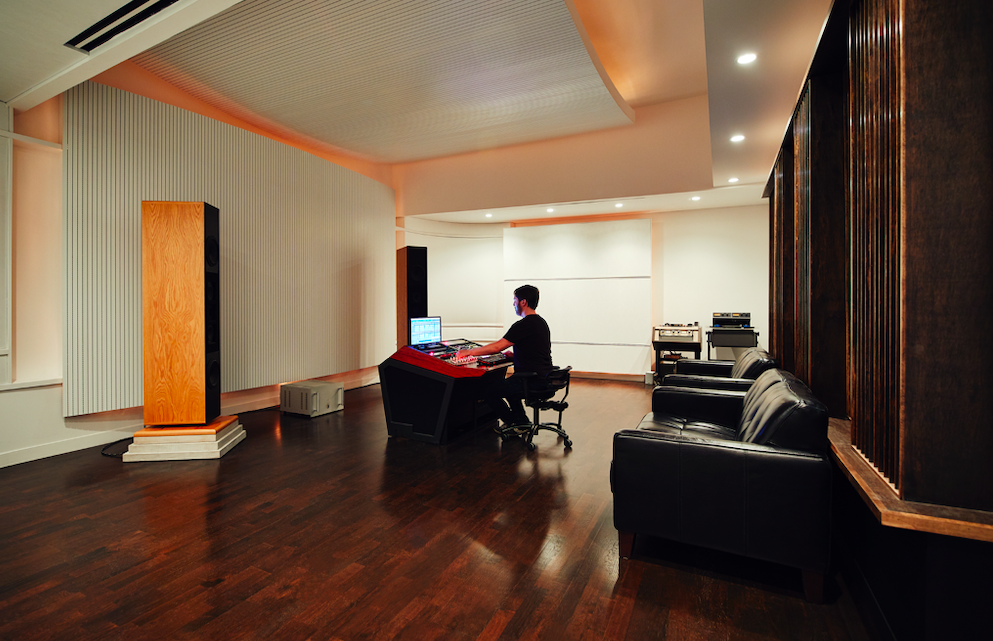
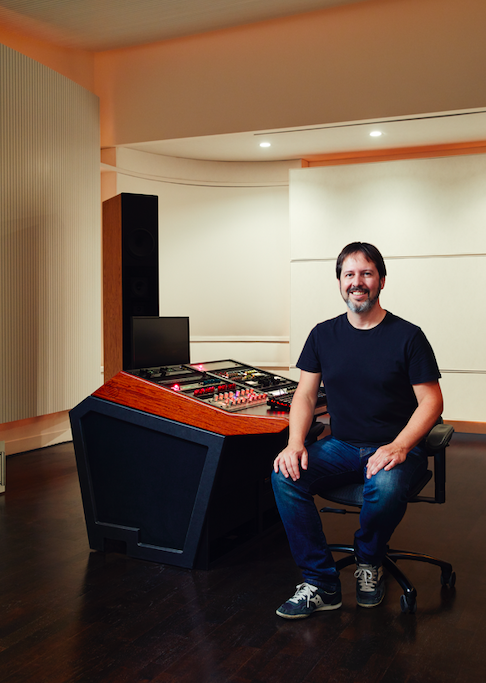
Mastering engineer Collin Jordan has spent decades refining records for release. A South Carolina native and former drummer, he studied Music Performance and Sound & Acoustics at Indiana University Jacobs School of Music before launching his career in Chicago at Chicago Trax Studios, where he developed his foundation in sound and mastering.
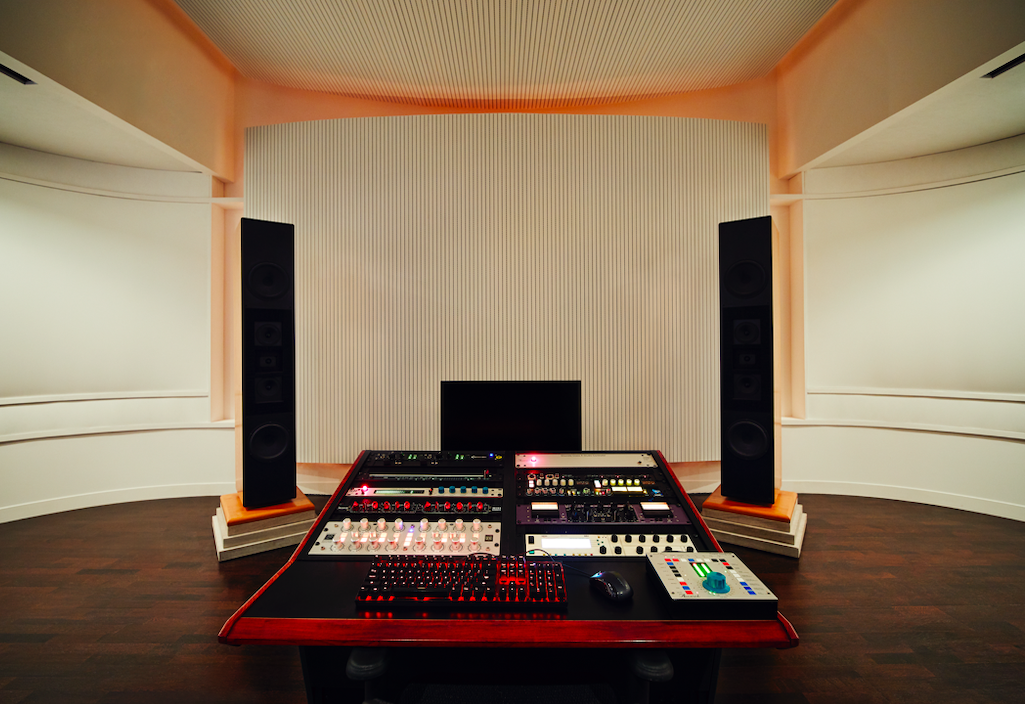
Today, Jordan continues to master music at The Boiler Room in Chicago, a premier facility he founded and built into one of the city’s top mastering destinations. Working in a world-class room designed by Walters-Storyk Design Group, he has mastered over 30,000 songs for artists across more than 25 countries, bringing an artist-first approach to the final stage of the recording process.
What actually is mastering?
Mastering is the final creative stage in the recording process. I take the finished mix of a song that the artist has recorded and mixed in a studio or at home, and enhance it and prepare it for release on streaming, CD, or vinyl.
You started out as a drummer and percussionist. How did your early experience as a musician shape the way you approach mastering today?
My early musical experiences have shaped my entire career. I have been fascinated by music since I was an infant, but learning how to play an instrument, studying music theory, and observing how people respond to music was very important in learning to engineer music to maximum effect. I was always playing drums, guitar, keys – but also taking apart my parents’ stereo to figure out how it worked. That was all part of my musical education.
Specifically, to the blues, when I was in high school a friend of mine turned me on to Chess, Robert Johnson, and all the other classic guys. He would take me to local blues jams where I would sit in on bass. Once I knew a couple of standard blues bass riffs, I could get onstage with much older musicians. To be playing in a rowdy bar as a 16 year old was a magical experience!
What drew you specifically to mastering, as opposed to recording or mixing?
I started out doing recording and mixing but gravitated towards mastering very early in my career. There was a need for it in Chicago, so I was also just at the right place at the right time.
One of my favorite things about mastering is that you typically get to work in a lot of different genres. I do lots of rock, metal, blues, jazz, country, dance music, hip-hop, as well as music from all over the world. It’s fun to learn about all the different musical cultures out there.
Over the years, what blues artists or recordings have you had the opportunity to master, and are there any that stand out to you?
Most of the blues artists that I have worked with have been through Alligator Records here in Chicago. I have been working with them for almost 20 years and have gotten to work on some really great albums. Probably my highlight was remastering the Hound Dog Taylor catalog. I have been a fan of his since I was a kid.
There’s something about the visceral intensity of those albums that is still so exciting to hear. They can be a challenge to work with because of the limited equipment and technique (at that time), but the energy and joy that comes through is undeniable.
The Boiler Room has a fascinating origin story, starting in an actual boiler room. What do you remember most about those early days when you were building your client base?
It was definitely tough for the first few years. I actually didn’t want to start my own business, but every studio I had worked at had gone out of business due to terrible management. So, I found an illegal space in an old boiler room in an office building near Wrigley Field. I had to go back to my day job of working downtown as a temporary receptionist, answering phones and getting coffee. Then I would be back at the studio in the evenings, trying to build up my client base.
But gradually, the word got around and I was able to grow the business. After a decade of building my business there, I was able to design and construct a proper studio from the ground up, which has made a huge difference.
Since the Boiler Room was designed by the same group behind Jimi Hendrix’s Electric Lady Studios, do you feel like any of that same ‘magic’ translates into your space?
I can’t say enough good things about working with WSDG, the designer of the studio. I don’t know if it is magic, but their ability to create a sonically neutral space, while still making it comfortable and inspiring, is something that they have a lot of experience with. They were such a joy to work with creatively that I can see why Jimi and all the superstars chose them.
It’s a delicate balance between the clinical environment of a pristine acoustic studio, and the warmth needed to make the musicians feel comfortable and inspired. WSDG was one of the first to do that with Electric Lady, and that carried it through to this studio.
How do you balance staying true to an artist’s vision while also making critical decisions that improve the final product?
I try to be as minimal as possible, and in the end, I am trying to be completely invisible. I want it to sound like the artist’s original mix, just bigger and better somehow. I have to be careful with any processing that I apply to their mix, so that I don’t twist it up and take it too far away from their original vision.
One of the things that has surprised me the most in my career is that everyone has a wildly different idea of what sounds “good”. I have had literally thousands of musicians in the studio with me, and they are all looking for something different. So, I try to understand an artist’s preferences, and shape their recordings to sound as close to that as possible.
To close, what ultimately makes for a great mixed and mastered song when turning it into a final digital product?
That’s a tough question; it’s like asking what makes a great song. Every production is different, so they are all going to have different parameters as far as the genre, the instruments, the players, the studio where it was recorded, etc.
I just try to take every mix that is given to me and enhance it as much as I can to make the artist happy. As long as they feel like their music is being presented in the best way possible, then my job is done!
