


“Hey Bulldog,” a Beatles deep cut, arrives exclusively on American Blues Scene as the second single from Modernism, the new album from Chris Stamey featuring Big Star’s Jody Stephens as a special guest.
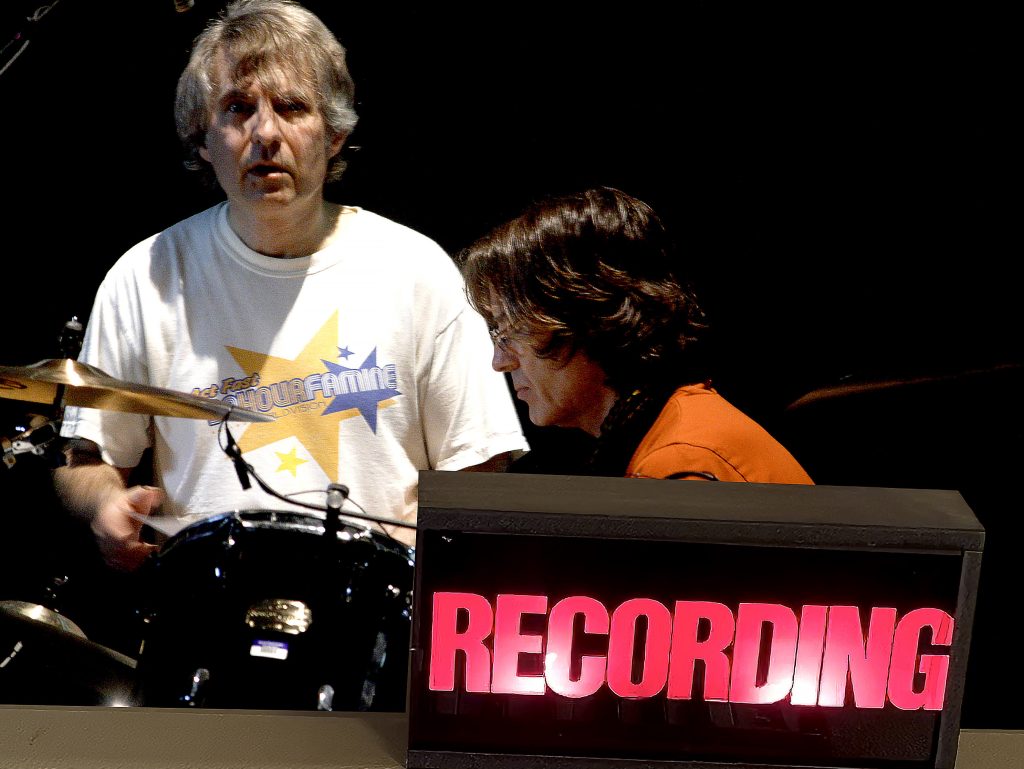
From the opening bars, their version is heavier and louder, but without sacrificing the song’s wiry pop architecture or one of its most underrated melodies. Stamey delivers a bright-edged attack, at once cerebral and unbuttoned, while Stephens handles Ringo’s parts with a taut, riff-responsive touch that nods back to the original. What emerges is less a nostalgia piece than a reminder of how urgent the song felt in its moment: melodic pop instinct joined to a blues backbone that would later course through everything from ‘70s rock to early punk.
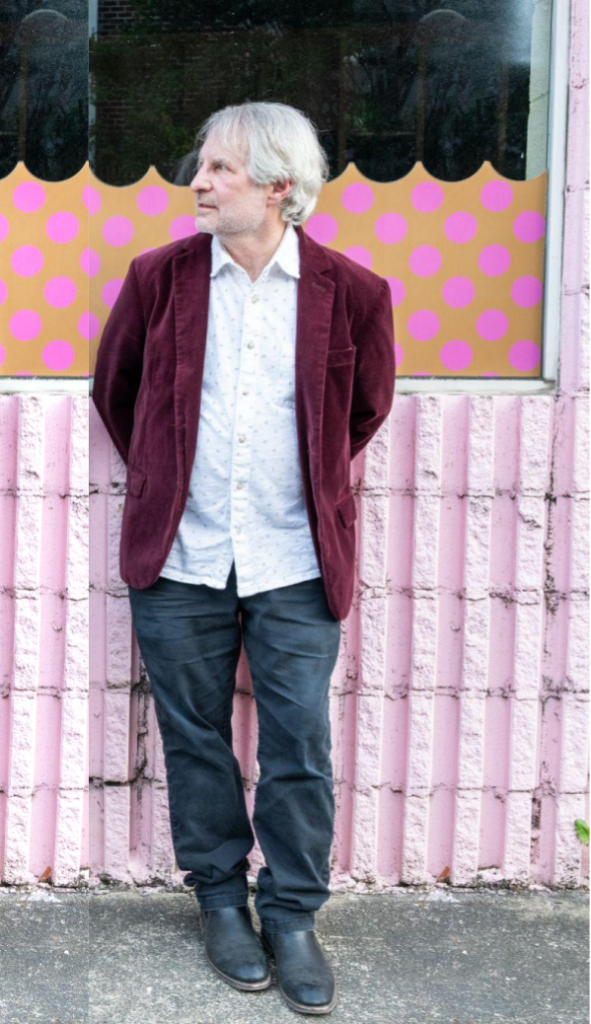
Lineage is not lost on Stamey, who tells me:
The Beatles’ ‘Hey Bulldog’ was a rockin’ favorite of mine from the first minute I heard it in 1969. It was a time when it seemed songs were starting to require a ‘riff,’ as heard in ‘Sunshine of Your Love’ (Cream), ‘Whole Lotta Love’ (Led Zep), and a thousand others—following a trail blazed by Albert King (‘Born Under a Bad Sign’) and Robert Johnson (‘Crossroads’) among others. So it was exciting to hear a bluesy riff in a Beatles song as that era took hold. I wondered at the time if it was inspired by ‘Hallelujah I Love Her So’ by Ray Charles, a song I knew from (of course) Humble Pie’s Live at the Fillmore version, which I was covering in bars with Peter Holsapple and Mitch Easter in high school.
The ‘Hey Bulldog’ riff is followed by elusive, nonlinear lyrics that delight phonetically and taunt cerebrally, and that, too, was exciting to hear, similarly to ‘I Am the Walrus’ and other Lennonesque / Lewis Carroll patter. There is such a sense of ‘fun’ about the song. I believe also that the solo (which I approximated on my version) is one of the few played by Lennon, who usually delegated to George or even Paul? (I’m sure there are some Beatleheads who can confirm or deny this!).
One day, during a session with Jody Stephens (from Memphis’s Big Star), we took a deep breath and took aim at the track. And I so love the way Jody sounds on this—just his hi-hat alone is such a marvel. He’s such a distinctive stylist; I’ve played maybe a hundred shows (?) with him now and each time I am floored by his verve and passion. There is no one who sounds like Jody.
As for the rest of the instruments here, that’s on me: one of my goals with this Modernism collection was to play most of the bass, guitars, and keys myself (with the exception of just a few tracks, notably ‘Waterloo Sunset’ [with the dB’s] and ‘Be Mice Elf’ [with Brian Dennis and Jon Wurster and the Uptown Horns]).
Conceived as a companion piece to 2025’s lauded Anything Is Possible, Modernism is a further “love letter” to AM and free-form FM radio in the 1960s and early ’70s, and features many of Stamey’s favorite songs from that era. The title winks to Modern Recording in Chapel Hill, NC, where much of the album was made. It will be released on Flatiron Recordings on 12” LP vinyl, CD, digital download, and streaming platforms on June 19.
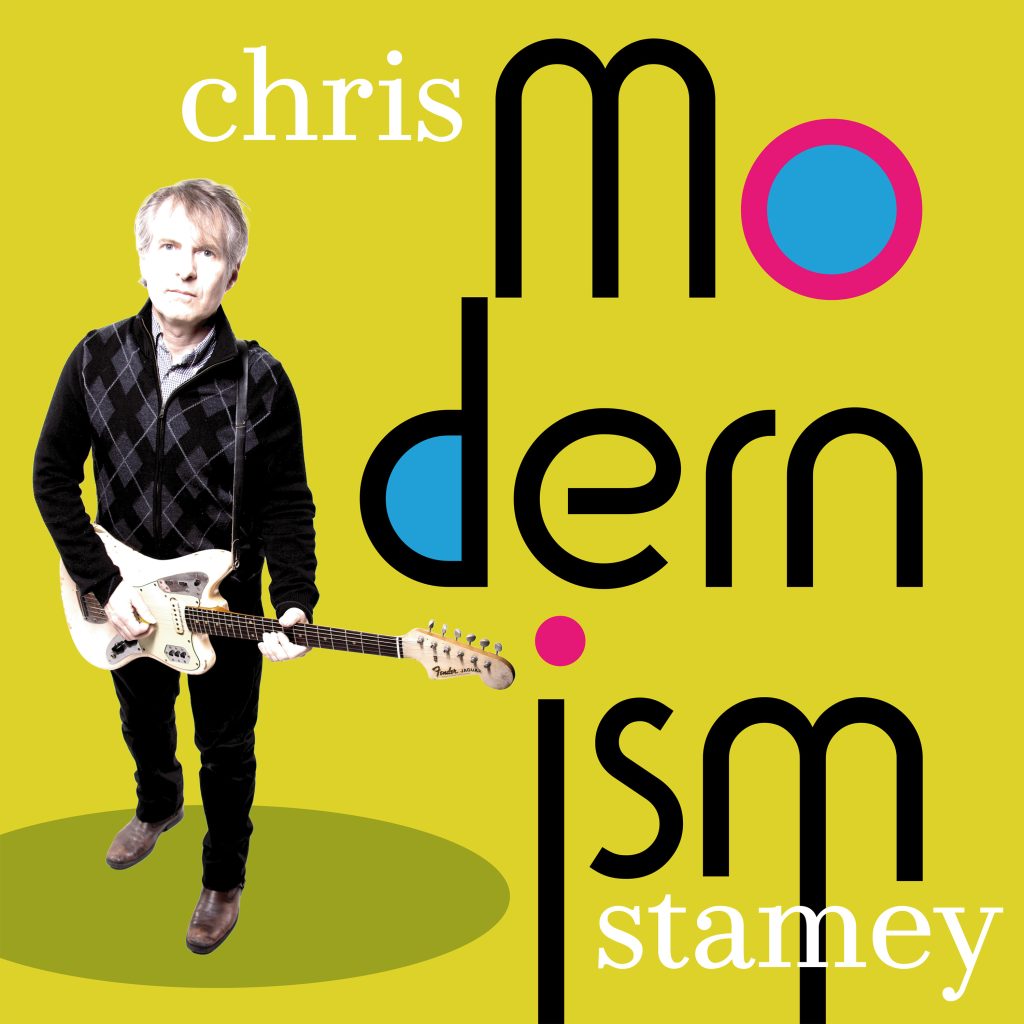
The album features new versions of other classic songs such as the Kinks’ “Waterloo Sunset” (with the dB’s) and Sly and the Family Stone’s “Thank You (Falettinme Be Mice Elf Agin)” (featuring the Uptown Horns, Brian Dennis [DAG], and Jon Wurster [Mountain Goats, Superchunk]), alongside deeper cuts including “Shadows Breaking Over My Head” by the Left Banke (with Brian Wilson Band alums Probyn Gregory and Nelson Bragg), “Hernando’s Hideaway” (from The Pajama Game, and a 1954 hit for Everly Bros. producer Archie Bleyer), and “At Last” (by Harry Warren), as well as three new interpretations of Stamey’s own earlier tunes.
The album closes with the Rolling Stones’ “Ruby Tuesday,” a version originally produced by Alex Chilton in 1977. The original mix is now lost, but a charming instrumental rough mix on an old reel-to-reel analog tape (with Chilton on drums and guitar) was recently discovered. Chris Stamey and Pat Sansone (Wilco, The Autumn Defense) were able to replace the missing vocals, with Don Dixon’s bowed bass and Rachel Kiel’s alto recorder added.
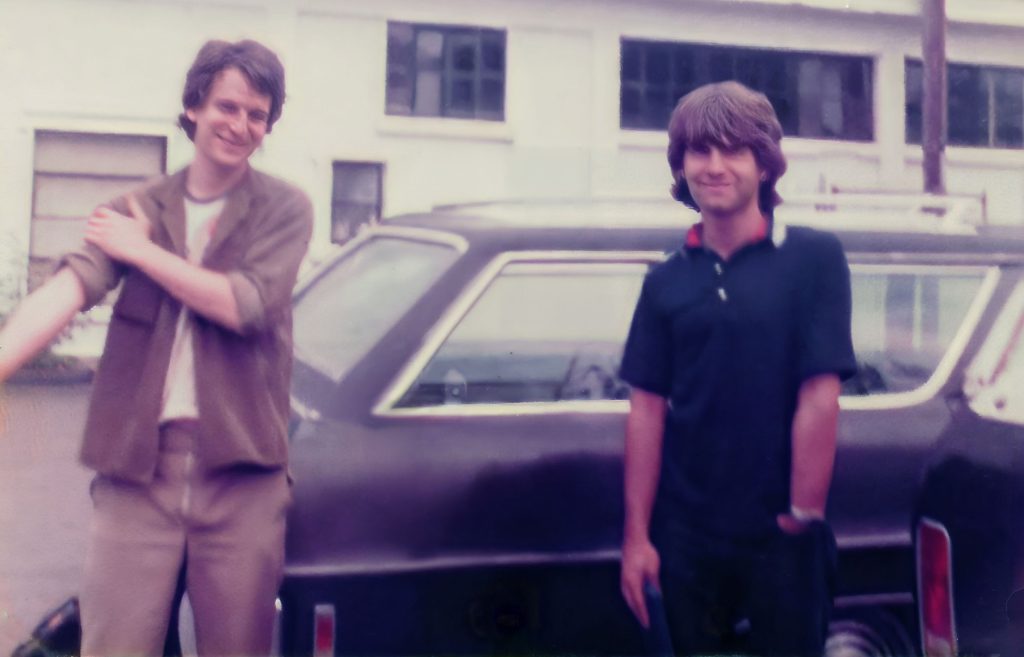
“This record was a blast to make,” Stamey says. “I had come back from touring with renewed confidence in my own playing, and realized I’d been relying on some of my friends’ vast chops for so long in the studio that I’d forgotten how much fun it was to groove along on guitar and bass myself.”
Although a wide cast of drummers contribute—including Jody Stephens, Jon Wurster, Mitch Easter, Alex Chilton, and Will Rigby—more than half the tracks were cut with session ace Rob Ladd (Alanis Morissette, The Connells) in the chair. “I’ve been the beneficiary of Rob Ladd’s drumming expertise during many live gigs over the last decade,” Stamey says. “We met up one October day to revisit some of these live arrangements—in hopes of finding ‘a few’ to add to a deluxe version of ‘Waterloo Sunset’ that the dB’s had cut with me a while back. Of course there are so many great songs out there: on a different day, it might have been a totally different record.”
Modernism is being released on 12” LP vinyl, CD, digital download, and streaming platforms on May 1, preceded on April 18 by a 7” colored-vinyl 45 of “Waterloo Sunset,” with a non-album B-side of Paul McCartney’s “Goodbye,” first recorded by Mary Hopkin.
