


The Gunter Hotel is set to host its inaugural Robert Johnson Birthday Celebration on Friday, May 8, 2026, marking what would have been the 115th birthday of the foundational blues musician. The program centers on Johnson’s 1936 recording session in Room 414 and unfolds across the recently renovated San Antonio property.
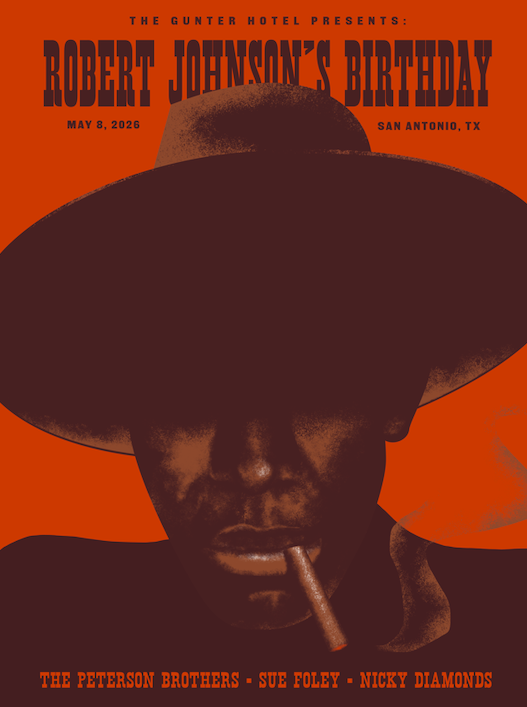
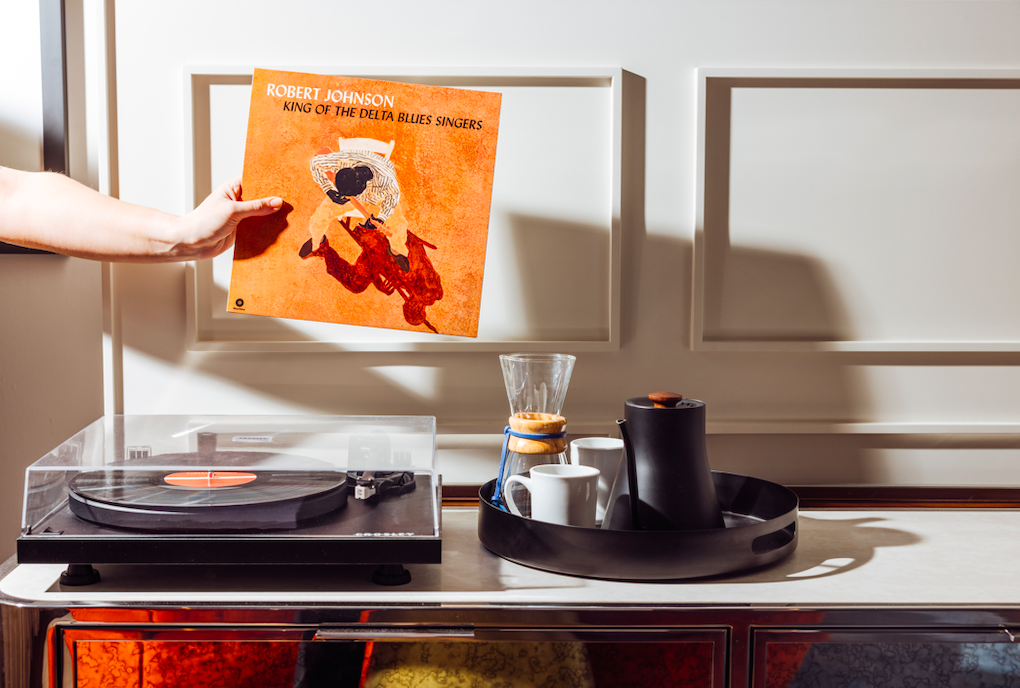
The event will feature a speaker panel on Johnson’s legacy in blues and American music with The Peterson Brothers, Nicky Diamonds, Colin Hancock, and moderator Bria Woods; a public birthday gathering in the lobby featuring a vinyl set of Johnson’s recordings, cake, and an original poem by former San Antonio Poet Laureate Andrea “Vocab” Sanderson; an evening concert in the historic Crystal Ballroom with Sue Foley, The Peterson Brothers, and Nicky Diamonds; blues performers throughout the weekend at Bar 414; and a late-night blues jam session led by the Chris Cuevas Project.
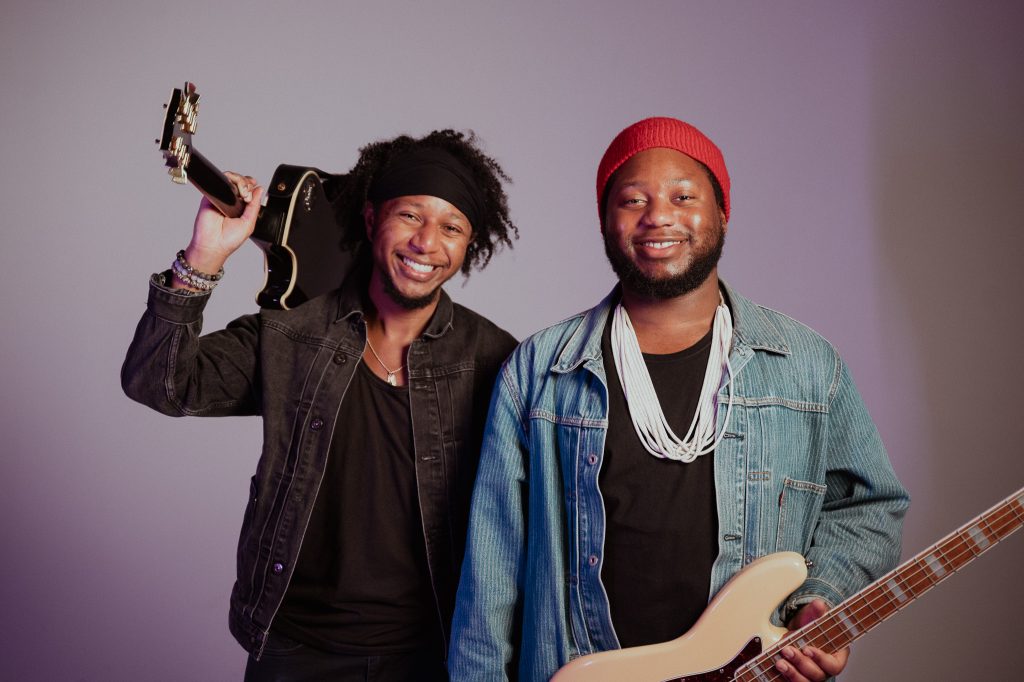
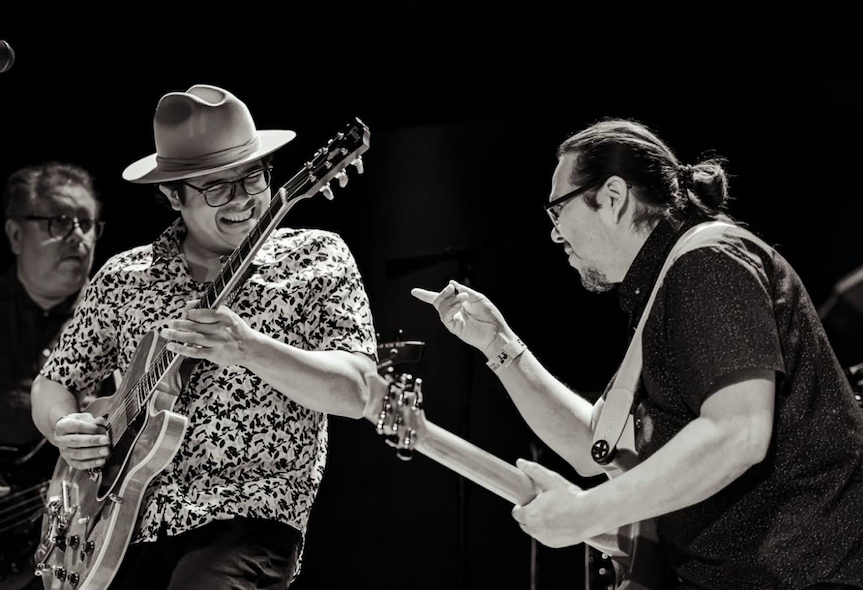
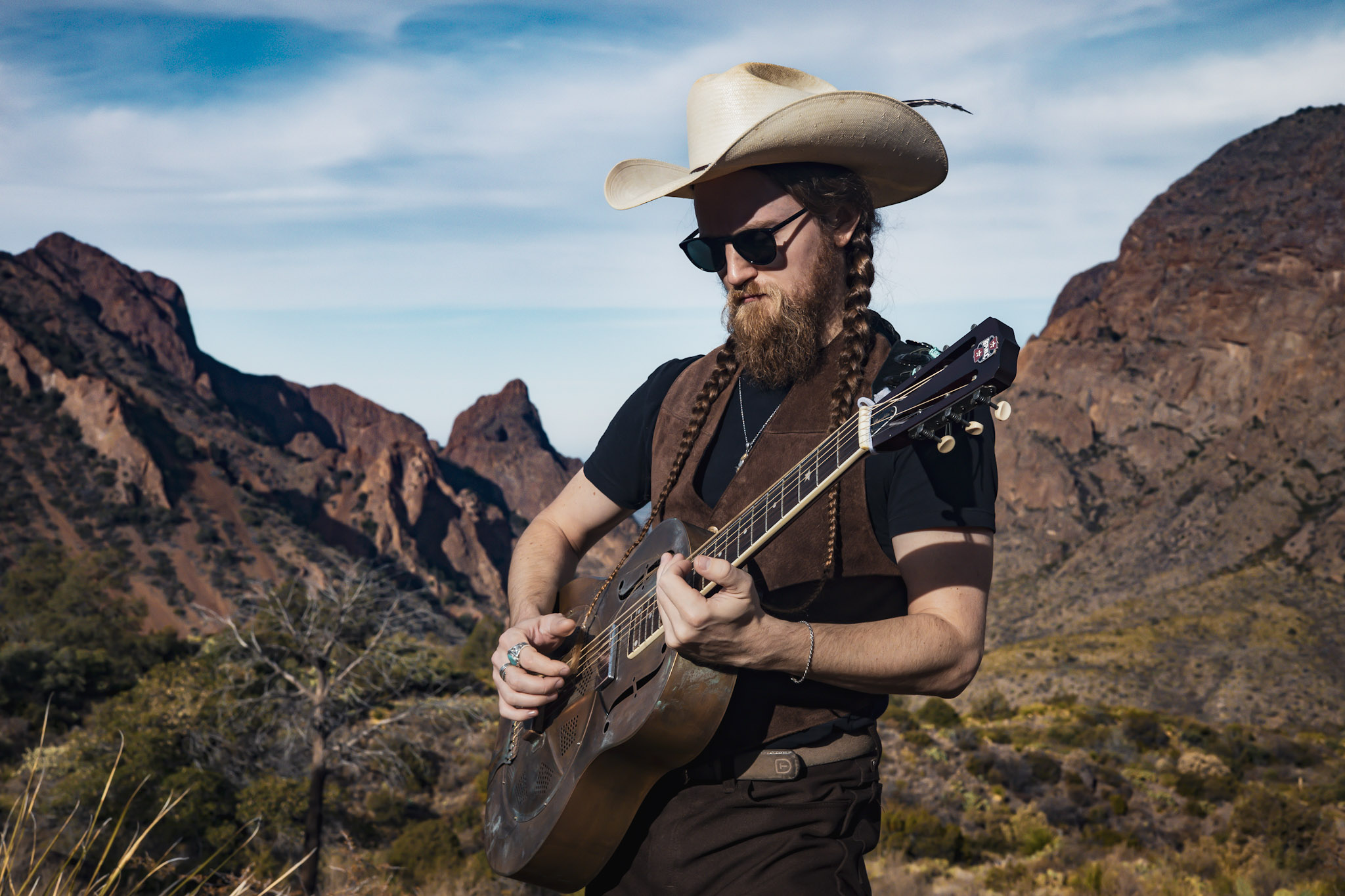
In addition to the Robert Johnson celebration, the Gunter will also host weekend programming at Bar 414 beginning Thursday, May 7, with live performances featuring Jacob Kyle, continuing Friday, May 8 as part of the celebration, and concluding Saturday, May 9 with the Eve Monsees Trio.

Ahead of the celebration, Elizabeth Fauerso, who is guiding the event’s programming strategy, described a philosophy organized around activation rather than commemoration alone. She positioned “active” programming as core to the hotel’s vision, pointing to its layered musical history and the intent to honor that legacy by creating “an alive, vibrant, participatory next chapter” for the property.
The Gunter Hotel carries a long and varied musical history. When you approach programming something like this celebration, what does honoring that history look like in practice?
The unique history of music at the Gunter is an incredible foundation for programming. There are so many sources of inspiration through which we can use the rich history as a dynamic springboard for a dynamic present–from exploring the impact of the legacy of Robert Johnson and the American blues canon on contemporary music to resurrecting and reconnecting with programmatic features like bands in residence and activating spaces like the Crystal Ballroom for performances–the key for us bringing the dimension of the past to life in the future.
This isn’t one thing; it’s not a gimmick. There are so many important cultural threads here at the Gunter that tell stories of music in San Antonio, representation, express the intersection of influences and the impact of the influence of artist, labels, and inflection points in the evolution of music in San Antonio and beyond that we feel like our sources of inspiration are infinite.
This event isn’t just commemorative; it includes live performance, panels, and participatory elements like the vinyl listening celebration. How do you think about turning legacy into something active rather than purely reflective?
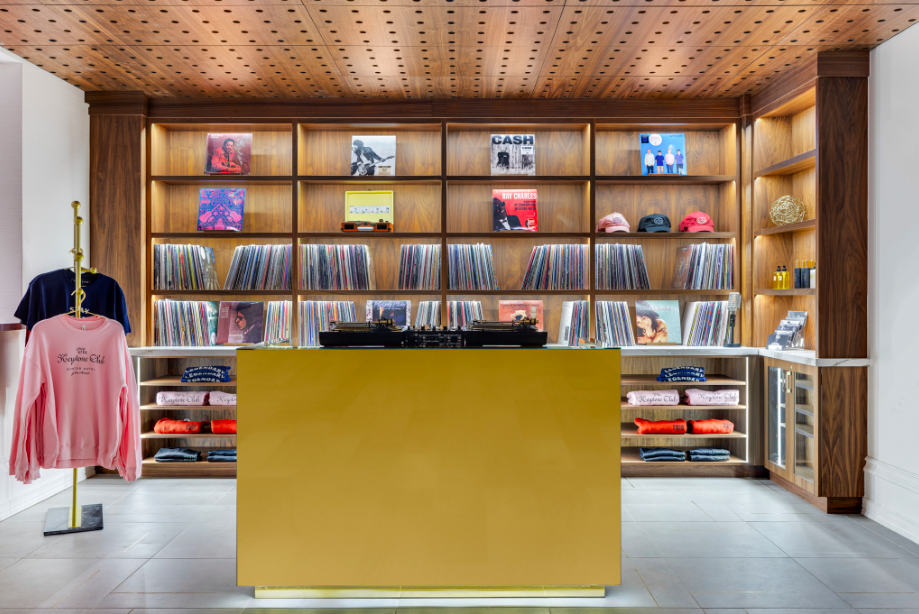
Active is the key word. That’s the idea behind the recording studio, the vinyl library and multidisciplinary collaborations with creators in our community. This is a place where music is alive, a resource for the next generation of Texas artists, a place to honor the legacy of Robert Johnson and the other seminal artists like Alfons Trent–one of the most influential African American big band leaders of the early 1900s who was resident at the Gunter. By creating real and enduring partnerships with the likes of the Antone’s Blues Foundation, The Robert Johnson Foundation and the SAACAM we are co-creating this next chapter with our community.
Room 414 carries a strong mythology, especially around Robert Johnson’s 1936 session. What factors shape how you approach programming that space?
Room 414 is such a special space; there is an intimacy to it and a sense of it being sacred. We feel its best served when we invite artists into the space and let them choose what they want to do. Sometimes they want to record, which we absolutely can do now. Sometimes they want to play and just experiment. Sometimes they want to get a group together and just jam. But for us, the most important thing is to invite artists and creativity back into the space and just see what happens.
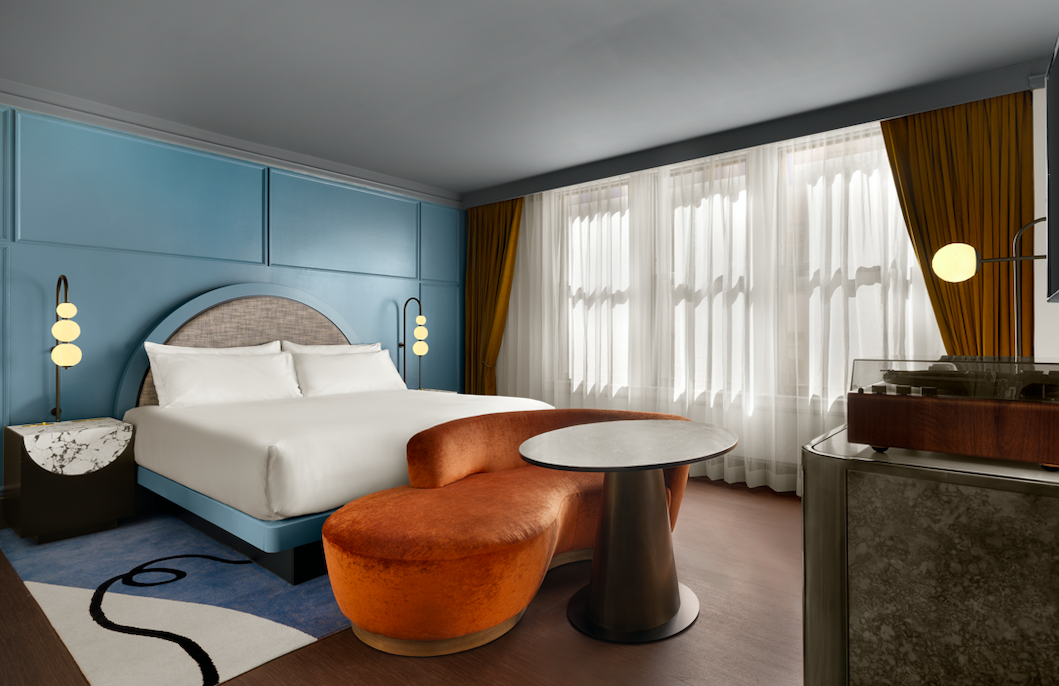
How do you define authenticity in a space like the Gunter, where history, tourism, and live music intersect?
We want to be a real resource to artists. The idea behind the studio, having residency programs with artists and creators, collaborating with the community through our vinyl listening program and our partnerships with other cultural organizations such as the Robert Johnson Foundation, is to create opportunities for artists to connect with music lovers, to support music in all its forms and act as our foundation of authenticity. When artists are creating here and sharing what they create, then everything else will follow along naturally.
The hotel is also opening a state-of-the-art recording studio. How does that future-facing piece sit alongside the preservation of its musical past?
For so many years the Gunter was a hub of music. The ARC (American Recording Company) used the Gunter as a studio for many years. WOAI was broadcasting live performances from the Gunter. The hotel hosted various music venues and big bands in residence. Creating a true recording studio for the next generation of Texas artists felt like a natural extension of the hotel’s history and identity.
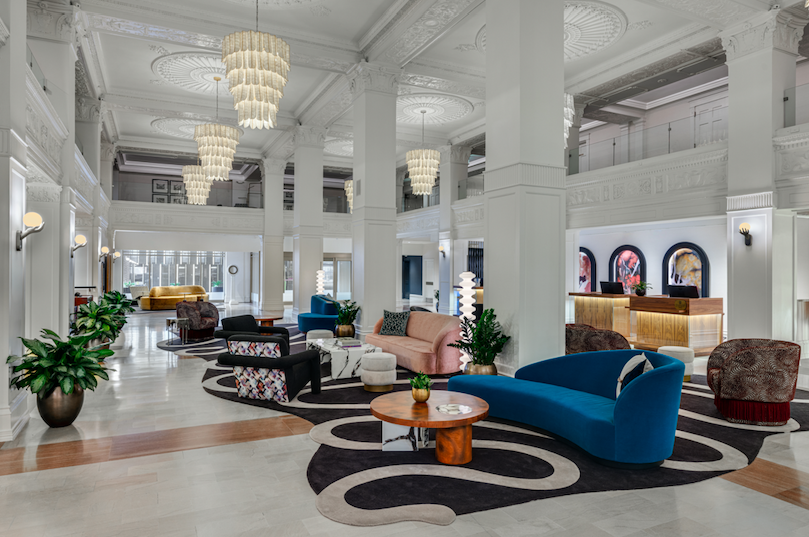
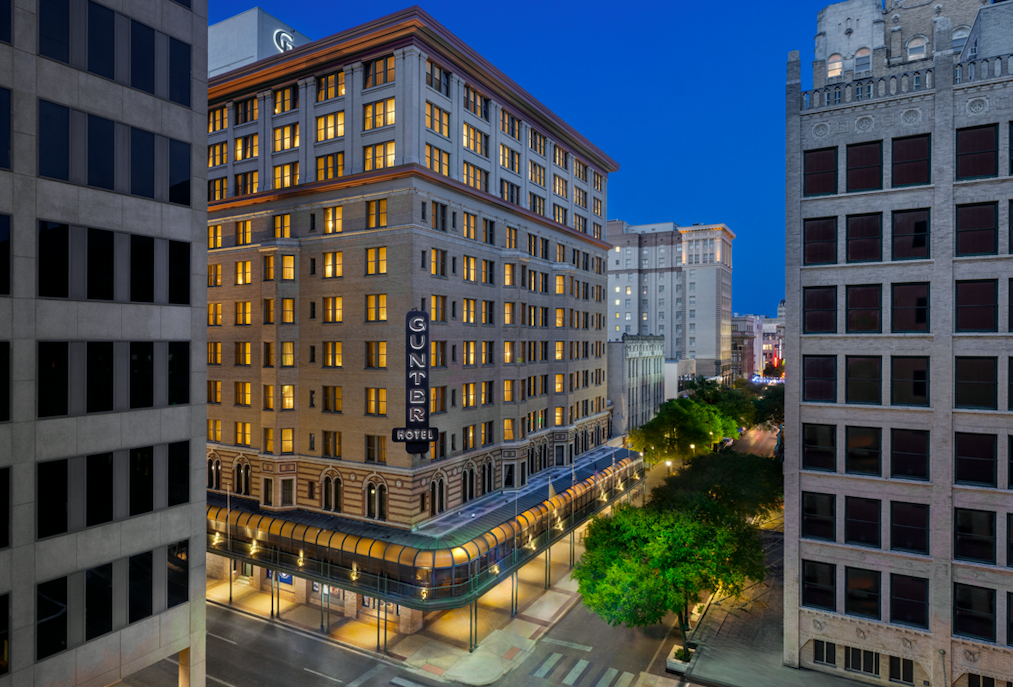
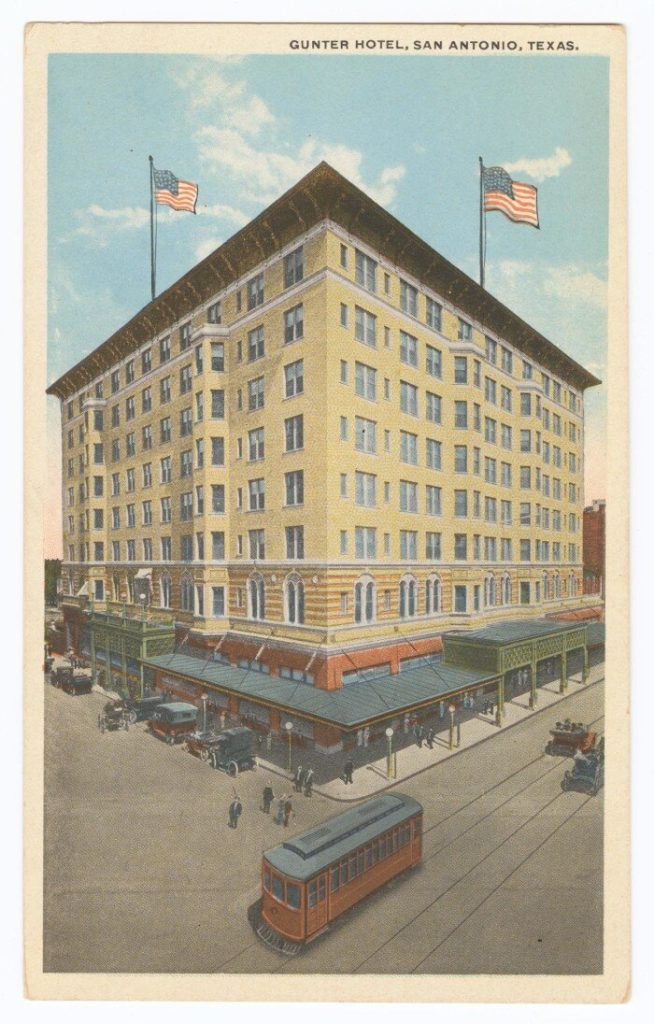
You’re working with artists, curators, and community figures on this programming. How do those different voices shape what ultimately gets built?
We know that our best ideas for programming will not come from us; they will come from the community, through creating a studio, venues that we will use as spaces of collaboration and identifying key creative partnerships we have built a mechanism for listening. Our commitment is to listen, collaborate and co-create.
Everything we do will be shaped through this collaboration. This is evident in our programming collaboration with The Dirty River Jazz Band. It is also evident in our advisory council of artists from around Texas, like Nicky Diamonds, Garrett T Capps, Adrian and Celeste Quesada, and in our deep commitment to collaborating with the Robert Johnson Foundation and the Johnson family.
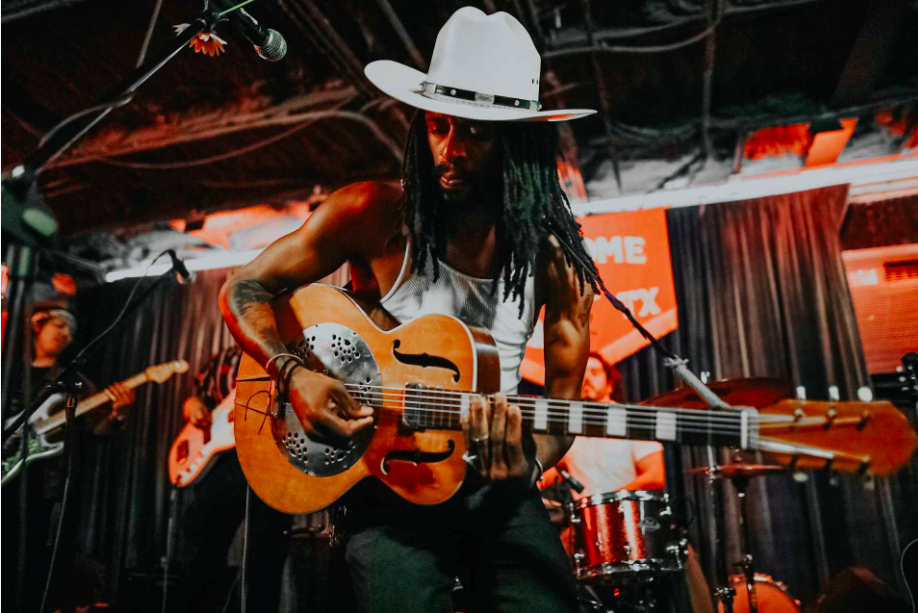
Robert Johnson’s legacy has often been told through a limited set of narratives. Do you see this programming as expanding that story in any way?
Very much so. We are partnering with The Robert Johnson Foundation and the Johnson family to support the launch of their new festival this year, The Robert Johnson Crossroads Blues Festival in Hazlehurst, Mississippi.
We intend to support and explore the ongoing legacy of Johnson through collaborating with artists for whom his music continues to be pivotal. The legacy of RJ is still very much alive in our broad community of musicians, a living thing that continues to evolve. We have the resources and diversity of space and programming opportunities to respond.
